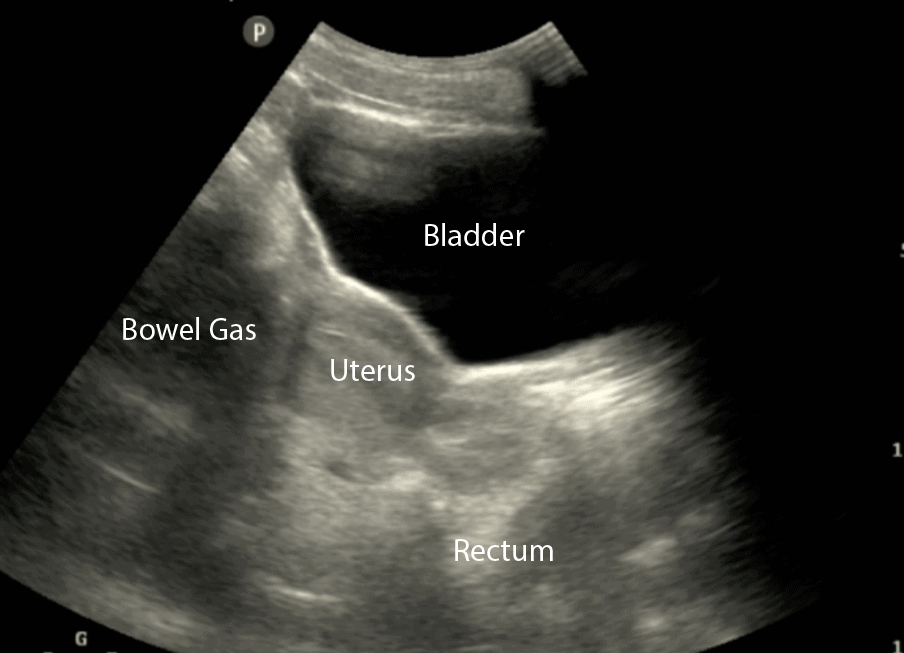
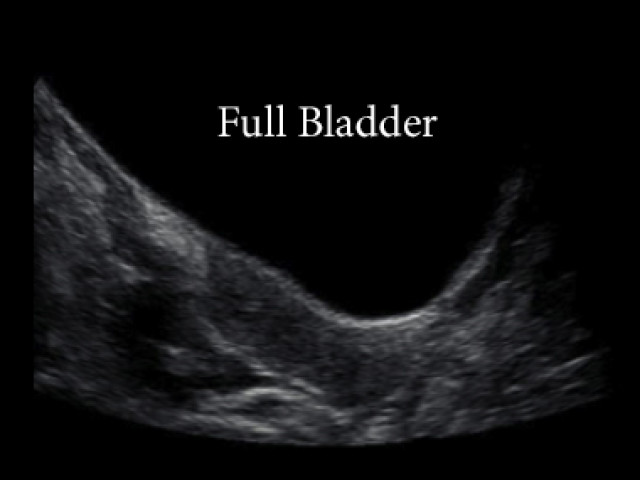
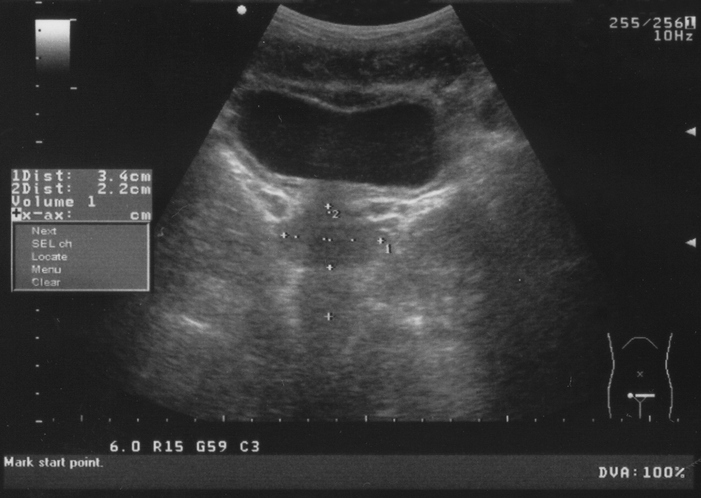
Ever wondered why your doctor or technician asks you to chug water before a certain medical scan? It might seem a little… inconvenient, especially when you’re already a bit anxious about the appointment. But trust us, that full bladder isn't just some quirky medical requirement; it's a surprisingly clever trick that makes a huge difference in what we can see! Think of it like using a magnifying glass to get a clearer view of something tiny. That’s essentially what a full bladder does for us during certain ultrasounds, especially when we’re peeking at the pelvic organs.
The Amazing Ultrasound Peek-a-Boo!
Ultrasound technology is pretty neat, right? It uses sound waves – the same kind that bats use to navigate! A special wand, called a transducer, sends these sound waves bouncing off the different parts of your body. When the waves hit something, they bounce back, and the ultrasound machine translates these echoes into an image on a screen. It's a totally safe, non-invasive way to get a glimpse inside without any surgery or radiation.
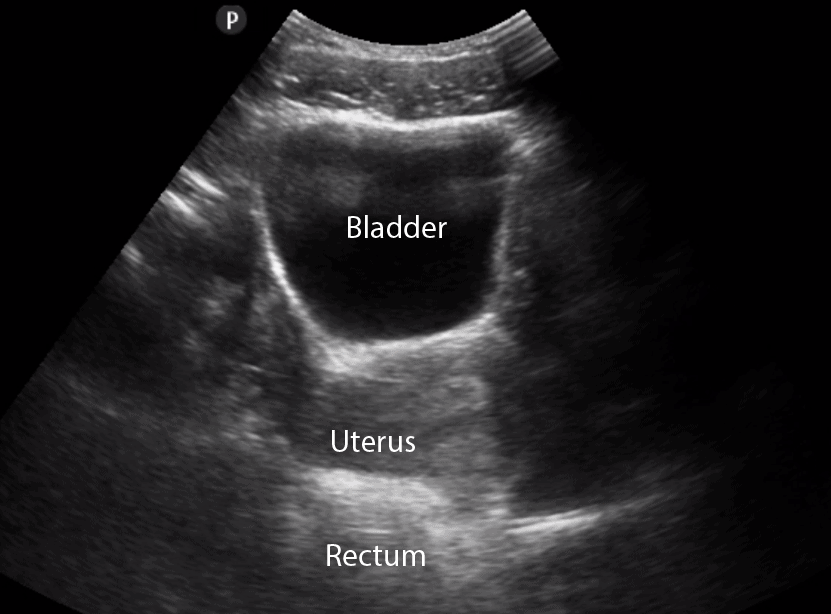
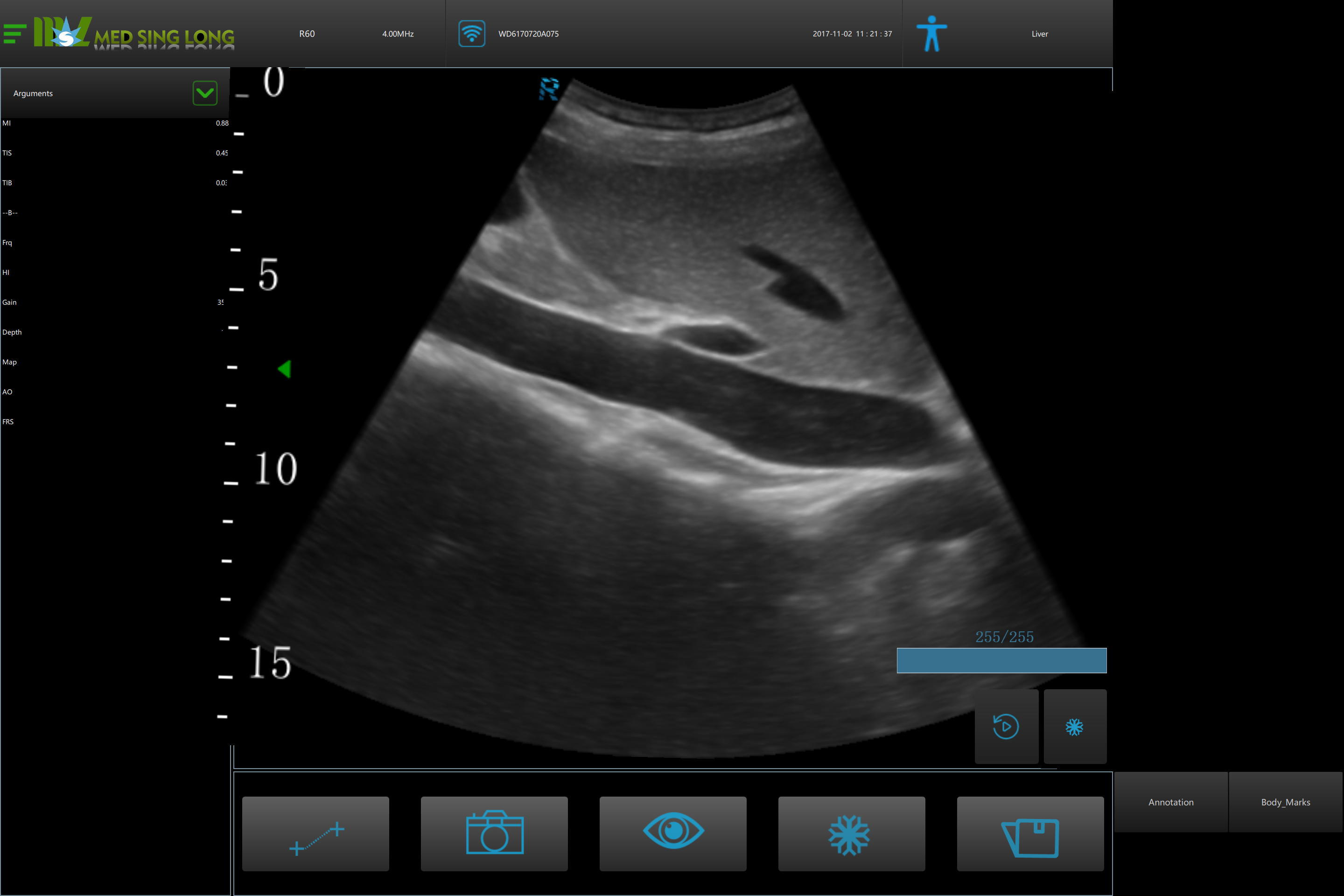
But here’s the thing: sound waves can be a bit picky about what they travel through. They travel really well through fluid, but they don’t do so great when they hit gas or bone. That’s where our full bladder comes in. For ultrasounds of the pelvic region, including the uterus, ovaries, and sometimes the bladder itself, the bladder acts as a fantastic natural acoustic window. When it’s nicely full, it pushes aside the bowel, which is full of air and can really interfere with the sound waves. Imagine trying to see through a cloudy window versus a sparkling clean one – that’s the difference a full bladder can make!
Think of your full bladder as a helpful, liquid-filled buffer that creates a clear pathway for the sound waves to travel through.
Bladder Ultrasound Made Easy: Step-By-Step Guide - POCUS 101
Why a Full Bladder is Your Pelvic Organs' Best Friend
So, what exactly does this full bladder do for the image quality? Several amazing things!
- Better Visualization: When your bladder is full, it gently pushes the loops of your intestines upwards and out of the way. Intestines are notorious for containing gas, and gas is a big no-no for ultrasound waves. It blocks them, scatters them, and basically makes it impossible to get a clear picture of what’s behind them. By displacing the bowel, your full bladder creates a clear, unobstructed path for the sound waves to reach and bounce back from your pelvic organs. This means we can see your uterus, ovaries, and the surrounding structures with much greater detail and clarity.
- Enhanced Detail: With a clearer path, the ultrasound machine can pick up finer details. This is crucial for detecting subtle abnormalities, like small cysts on the ovaries, or slight changes in the uterine lining. A partially full or empty bladder might not push the bowel out effectively, leading to images that are grainy, blurry, or incomplete.
- Measuring Accurately: For certain conditions or during pregnancy monitoring, precise measurements of organs like the uterus or the fetus are vital. A full bladder helps position these organs in a way that allows for the most accurate measurements. It ensures that the entire organ is visible and not obscured by overlying bowel.
- Examining the Bladder Itself: In cases where the bladder itself is the focus of the scan, a full bladder is essential. This allows the technician to assess the thickness of the bladder wall, look for any stones or growths, and evaluate its overall function.
- Improved Patient Comfort (Surprisingly!): While it might not feel like it in the moment, a full bladder can actually make the examination more comfortable. When the bladder is full, the pelvic organs are lifted slightly away from the bony pelvis, making them easier to access and scan without having to press down as hard with the transducer.
The amount of water you need to drink can vary, but usually, it's recommended to finish your last drink about an hour before your appointment. Your technician will likely give you specific instructions, so be sure to follow them carefully! It's a small effort that yields significant results, ensuring your ultrasound provides the most helpful information possible for your healthcare provider.
It’s Not Just for Ladies!
While we often associate full-bladder ultrasounds with examinations of the female reproductive system, men can also benefit. For example, ultrasounds of the prostate gland and seminal vesicles often require a full bladder for optimal viewing. The principles are the same: the full bladder helps to push aside the intervening bowel, providing a clearer acoustic window to these structures.
So, the next time you're asked to hydrate before an ultrasound, remember that you're not just complying with a rule – you're actively participating in getting the clearest, most accurate possible view of your internal health. It’s a simple, yet incredibly effective, step in the world of medical imaging, and it’s all thanks to a good old-fashioned full bladder!