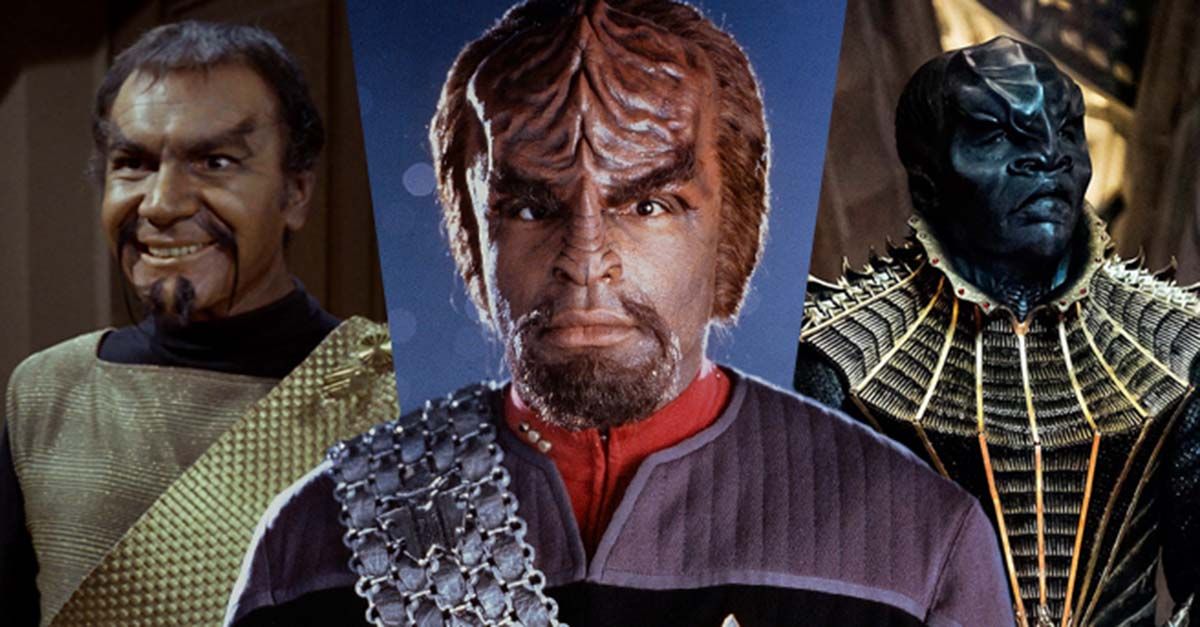
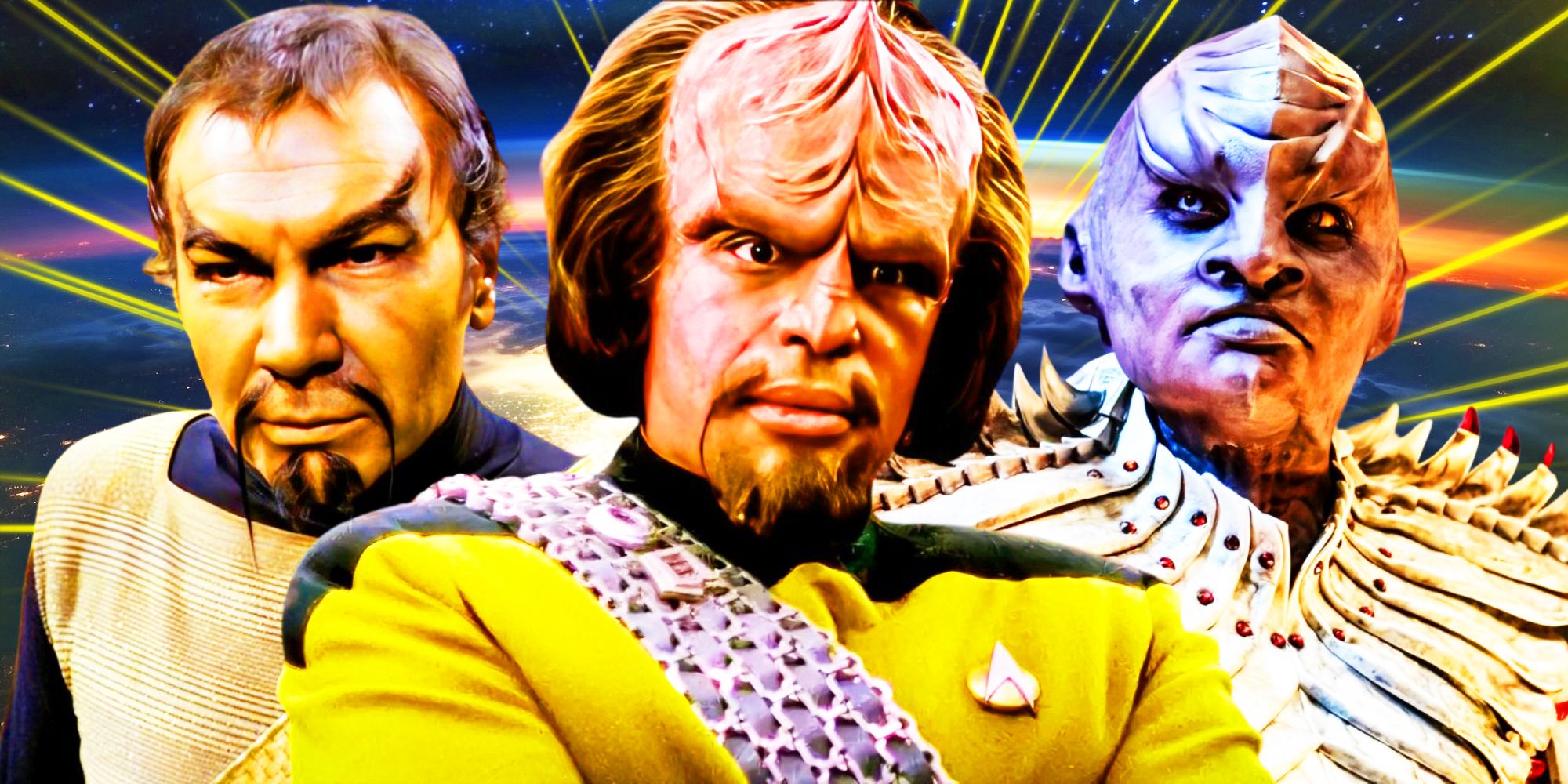
Let's talk about Klingons. You know, those guys with the bumpy foreheads and the warrior spirit from Star Trek. They're pretty iconic. But have you noticed something a little… odd? Their faces seem to get a makeover every few years.
It’s like they’re the universe's most dramatic fashion models. One minute, they’re all sleek and relatively smooth. The next, BAM! Forehead ridges are in. Then, those ridges get… more ridgy. And the hair? Oh, the hair! It goes from practical to flowing to downright wild.
My theory? It’s all about keeping us guessing. Think about it. The original Klingons in The Original Series (TOS) looked… well, let's just say they looked like guys in Halloween masks. They were basically humans with slightly dodgy makeup. We’re talking about Captain Koloth and his crew. Not exactly the fearsome warriors they’d become.
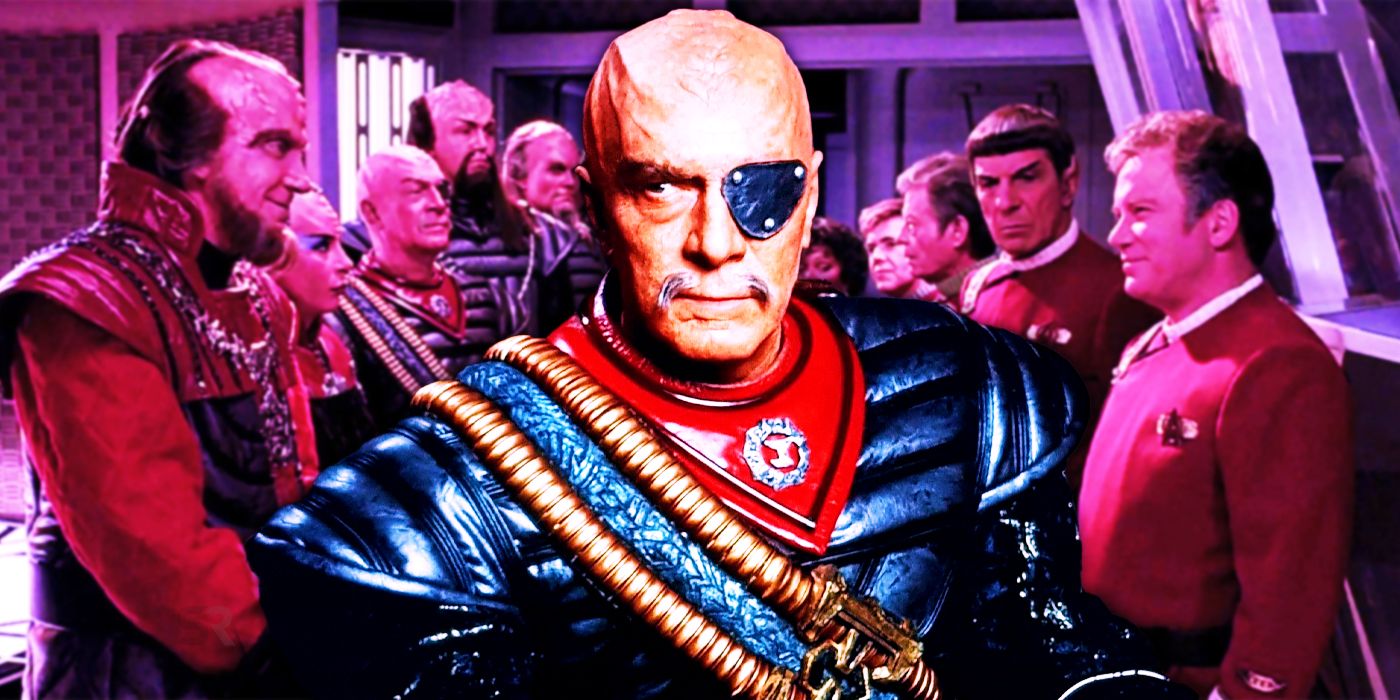
Then came The Motion Picture. Suddenly, we had the classic, instantly recognizable Klingons. The ridges! The hair! They looked like proper alien badasses. This was the look that really stuck. You know, the one you see on all the toys. General Chang from The Undiscovered Country was a prime example of this era’s aesthetic.
But then, things got weird again. With The Next Generation (TNG), they decided to dial back the ridges. Suddenly, a lot of Klingons looked… less ridgy. Some fans were pretty up in arms about this. It was like saying, “Hey, remember those awesome bumpy aliens? Yeah, they’re mostly gone now. Sorry.”
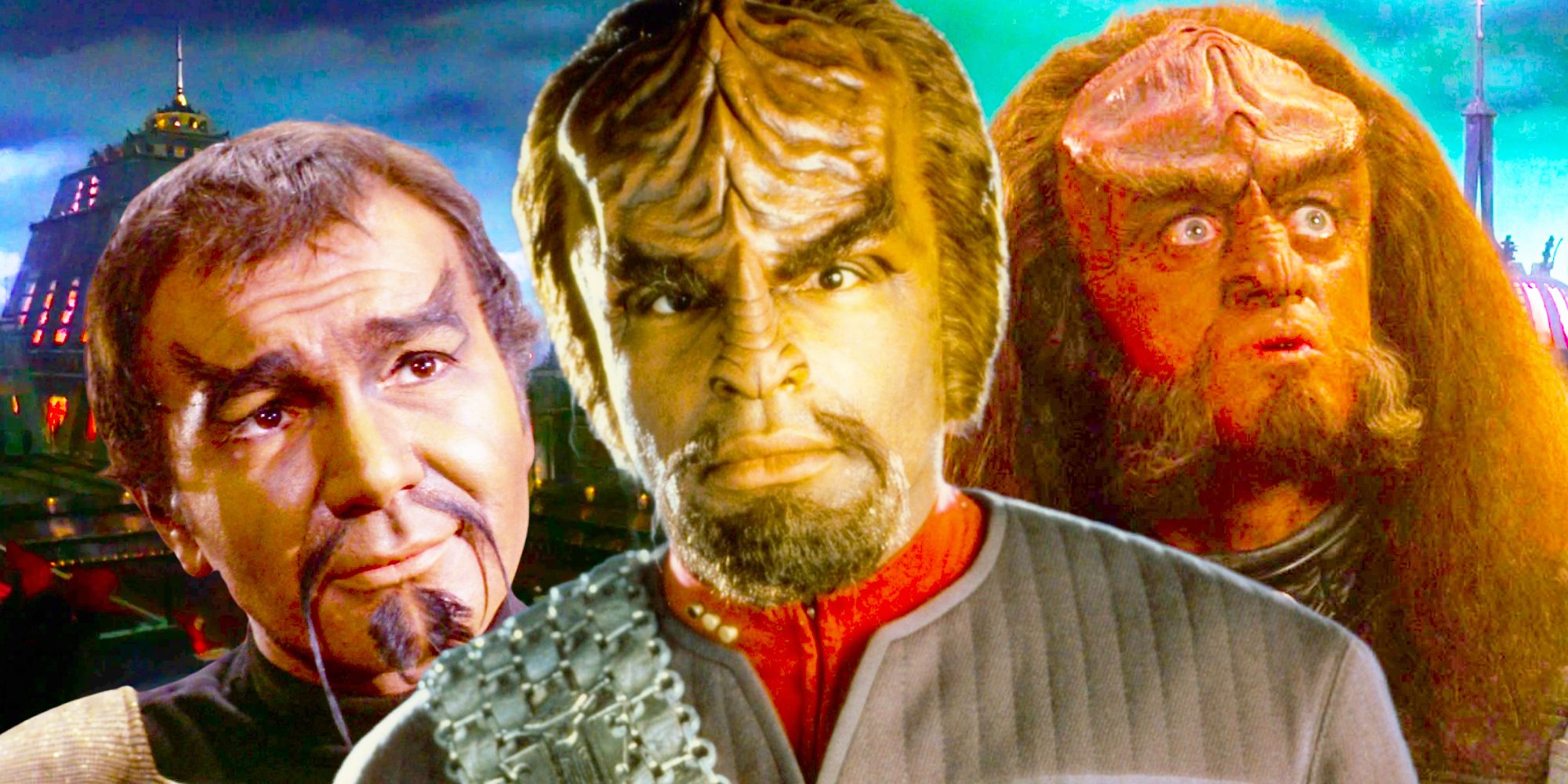
I’ve always suspected this was a deliberate choice. A cosmic prank, if you will. The producers of Star Trek are a mischievous bunch. They probably sit around in a dark room, stroking their beards (or maybe just their smooth Klingon foreheads, depending on the era), and saying, "How can we mess with the fans today? Let's make the Klingons look totally different! They'll never see it coming!"
Imagine the casting calls.
"So, you want to play a Klingon?" "Yes! I've always dreamed of it!" "Great! Now, for this role, you'll need to wear this very subtle, almost imperceptible forehead contour. It screams 'regal warrior.'" "Okay..."
"Next! You want to play a Klingon?" "Absolutely! I'm ready to bring the thunder!" "Fantastic! We need you to wear this elaborate prosthetic that makes your forehead look like a topographical map. And for hair, think… startled porcupine." "Sign me up!"
It’s a masterclass in misdirection. They’re not just creating alien races; they’re creating alien trends. They’re the haute couture of the galaxy. One season, it’s minimalist ridges. The next, it’s maximalist forehead sculpture. It keeps things fresh, right?
And let’s not forget the evolution of their fashion. From those weird, metallic-looking jumpsuits in TOS to the more elaborate armor and tunics in later series, it’s a whole other level of style transformation. They're not just changing their faces; they're changing their entire wardrobes. It's like they have a cosmic stylist who gets bored easily.
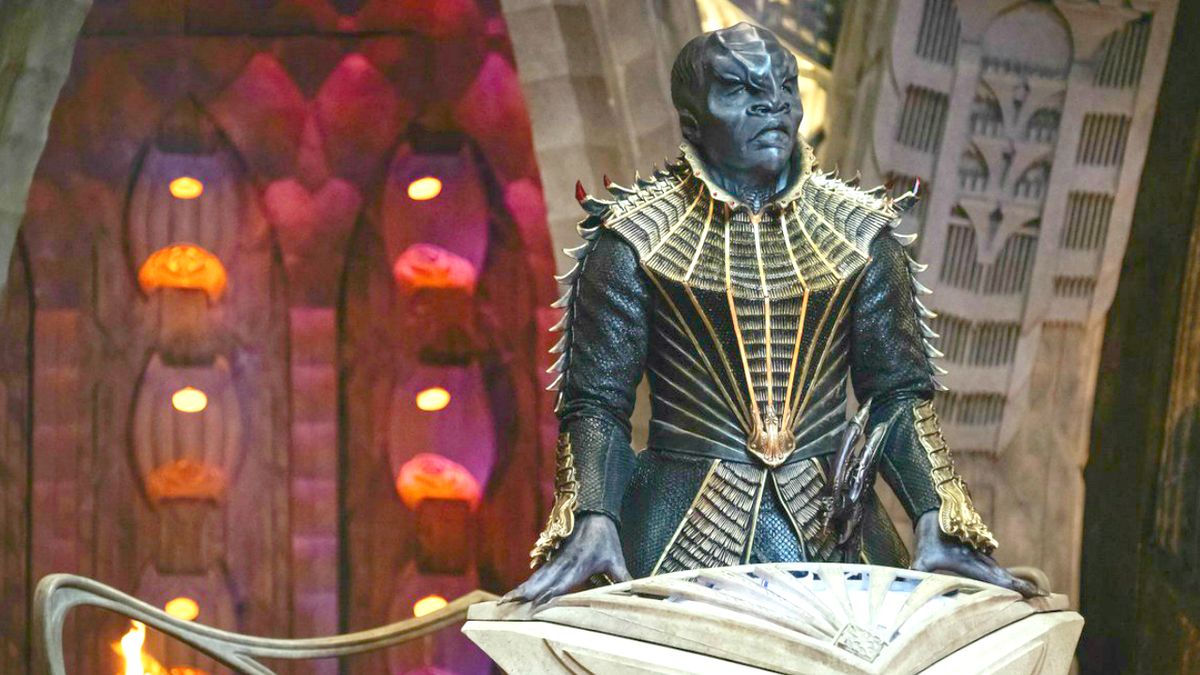
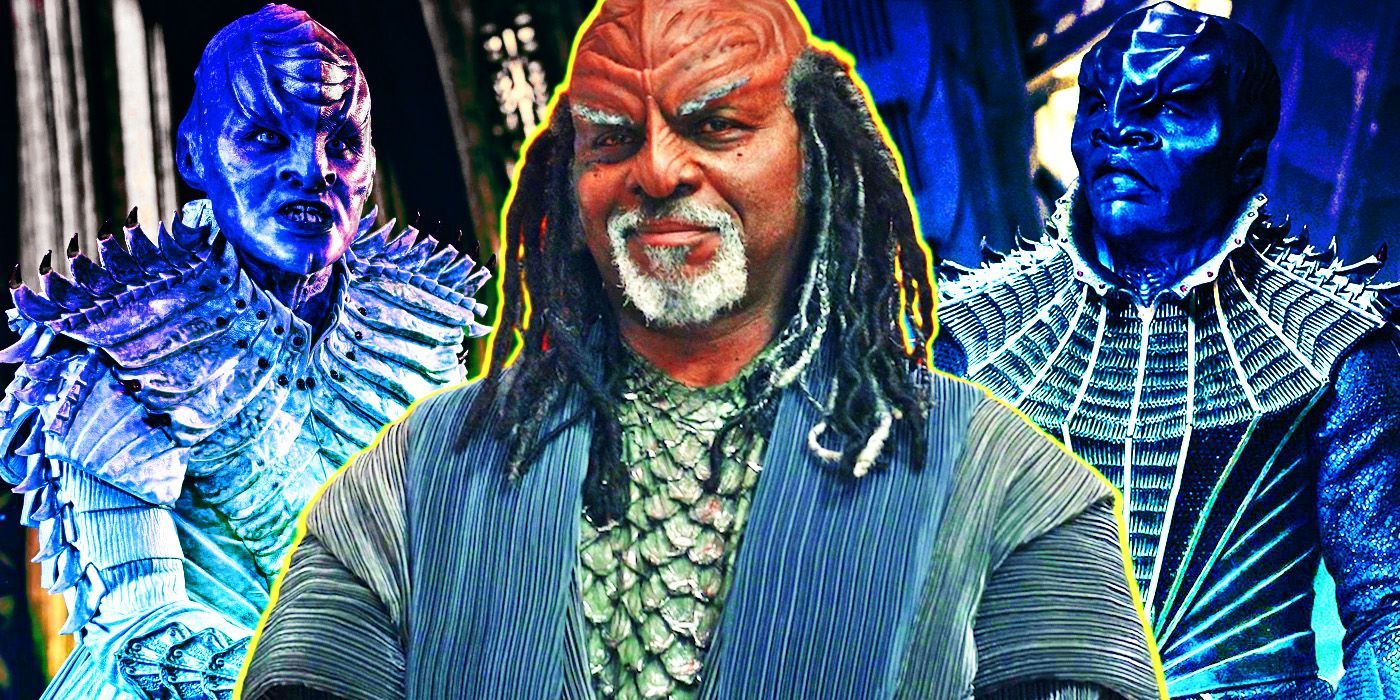
Then came Discovery. And oh boy, did Discovery shake things up. The Klingons in that show were… different. Very different. The ridges were back, but they were shaped in a new way. The faces were more angular. The whole vibe was more menacing, more intense. Some fans loved it, some… well, let’s just say they were “conflicted.”
My personal, and entirely unsubstantiated, theory is that these changes are dictated by the moods of the writers’ room. On a Monday, they’re feeling minimalist, so the Klingons are smooth. By Friday, after a week of intense plotting, they’re all about the ridges. It’s a visual representation of their creative process.
Perhaps each new iteration of Star Trek is a different timeline. In one timeline, Klingons are smooth-skinned strategists. In another, they’re ridge-faced berserkers. And in yet another, they’ve discovered hair gel and are rocking epic mullets. Who knows!

The truth is, it’s all part of the fun. The fact that we can have these debates, that we notice these changes, is a testament to how much we care about these characters. We’re invested. We want our Klingons to look like Klingons. Whatever that means at any given moment.
So next time you’re watching Star Trek and a Klingon pops up with a slightly different forehead or a new hairstyle, don’t fret. Just smile. They’re evolving. They’re adapting. They’re probably just following the latest galactic fashion trends. And who are we to judge? We humans can’t even decide on a hairstyle for more than a decade.
It’s the ultimate prank, and we’re all in on it. The ever-changing Klingon. It’s a beautiful, bumpy, and sometimes bald, mystery.