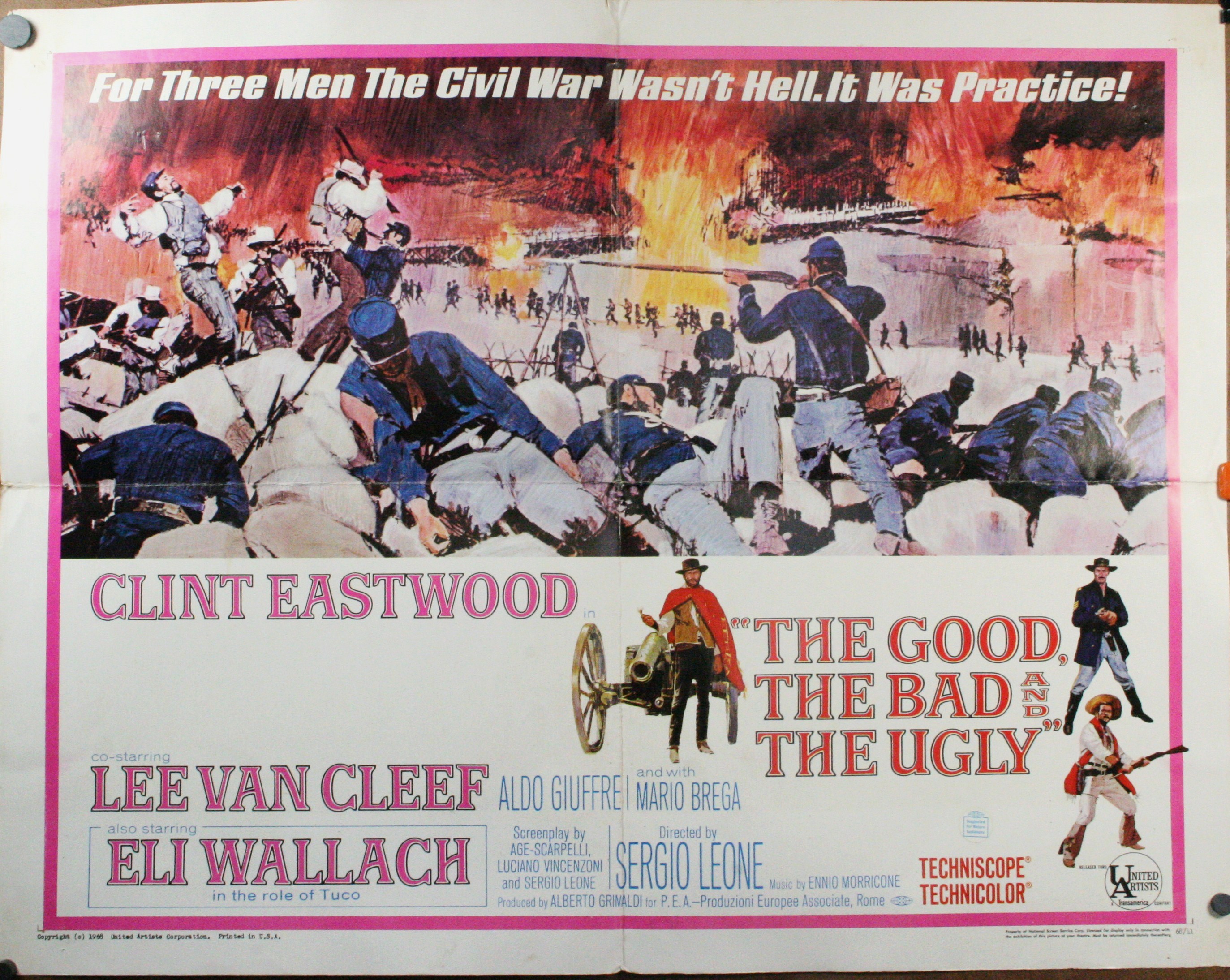
Okay, so, picture this: you're sitting there, maybe with a steaming mug of something delicious, and we're just gonna chat about that poster. You know the one. The one that practically screams "Spaghetti Western!" louder than a saloon brawl. Yeah, The Good, The Bad and The Ugly film poster. It’s a classic, right? Like, seriously, a total classic.
I mean, who hasn't seen it? It’s plastered everywhere. On t-shirts, on lunchboxes, probably on some vintage diner walls. It’s got this… vibe. An instant mood setter. You see it and you can almost hear Ennio Morricone's iconic whistling, can't you? It’s like magic. Pure, unadulterated, dusty, desert magic.
So, let's dive in. What makes this poster so darn special? Is it the sheer artistic genius? The bold colors? Or is it just the fact that it features Clint Eastwood looking so impossibly cool it hurts? Probably a mix of all three, let’s be honest.
The Iconic Trio
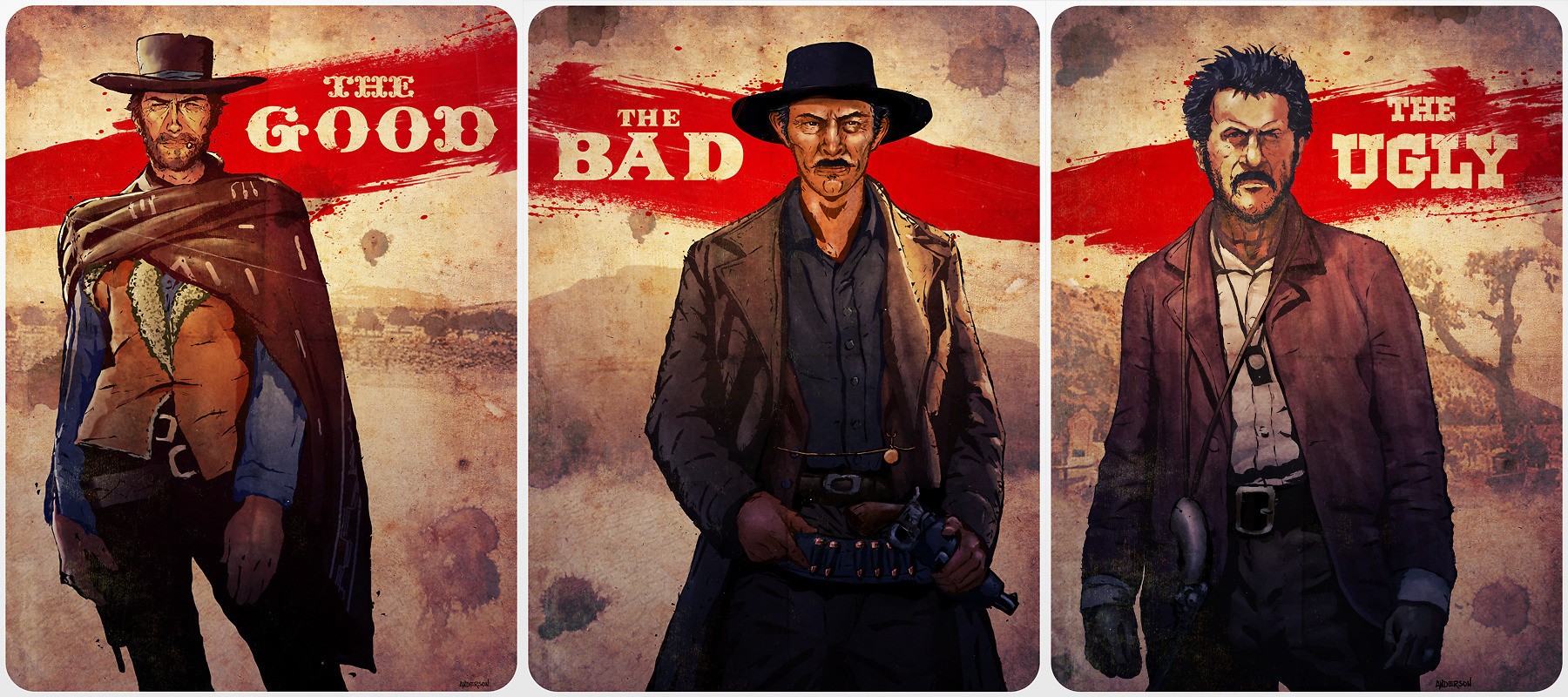
First off, you’ve got the main guys. The titular trio. And oh boy, do they look the part. There’s Clint, of course. Looking all stoic and squinty. The epitome of cool. He’s the undisputed hero, the one you’re rooting for. Even though he’s pretty morally grey, isn’t he? But that’s part of his charm, I guess. The anti-hero, as they say. Very hip.
Then there’s Lee Van Cleef. He’s the Bad. And he looks it. Sharp suit, sharp eyes, sharp everything. He’s got that menacing aura down pat. You just know he’s not someone you want to cross. He’s like a coiled viper, ready to strike. Utterly captivating, though. You can't look away, can you?
And finally, Eli Wallach. The Ugly. Now, he’s a character, isn’t he? He’s got that wild, almost unhinged look about him. He’s the unpredictable element. The one who might do something totally bonkers at any given moment. He’s not your typical handsome movie star, but that’s exactly why he fits perfectly. He’s the perfect foil to the other two.
The way they're positioned… it’s a work of art. They’re not just standing there. They’re practically radiating danger. You can feel the tension just by looking at them. It’s like they’re about to have a showdown, right there on your wall. And we, the viewers, are just along for the ride. Thrilling, isn't it?
The Color Palette: A Desert Dream (or Nightmare?)
Now, let’s talk about the colors. Oh. My. Goodness. The colors! It’s like the poster designers took a big ol’ scoop of the American Southwest and just splattered it onto paper. You’ve got that blazing sun, that endless expanse of dusty earth. It’s all there.
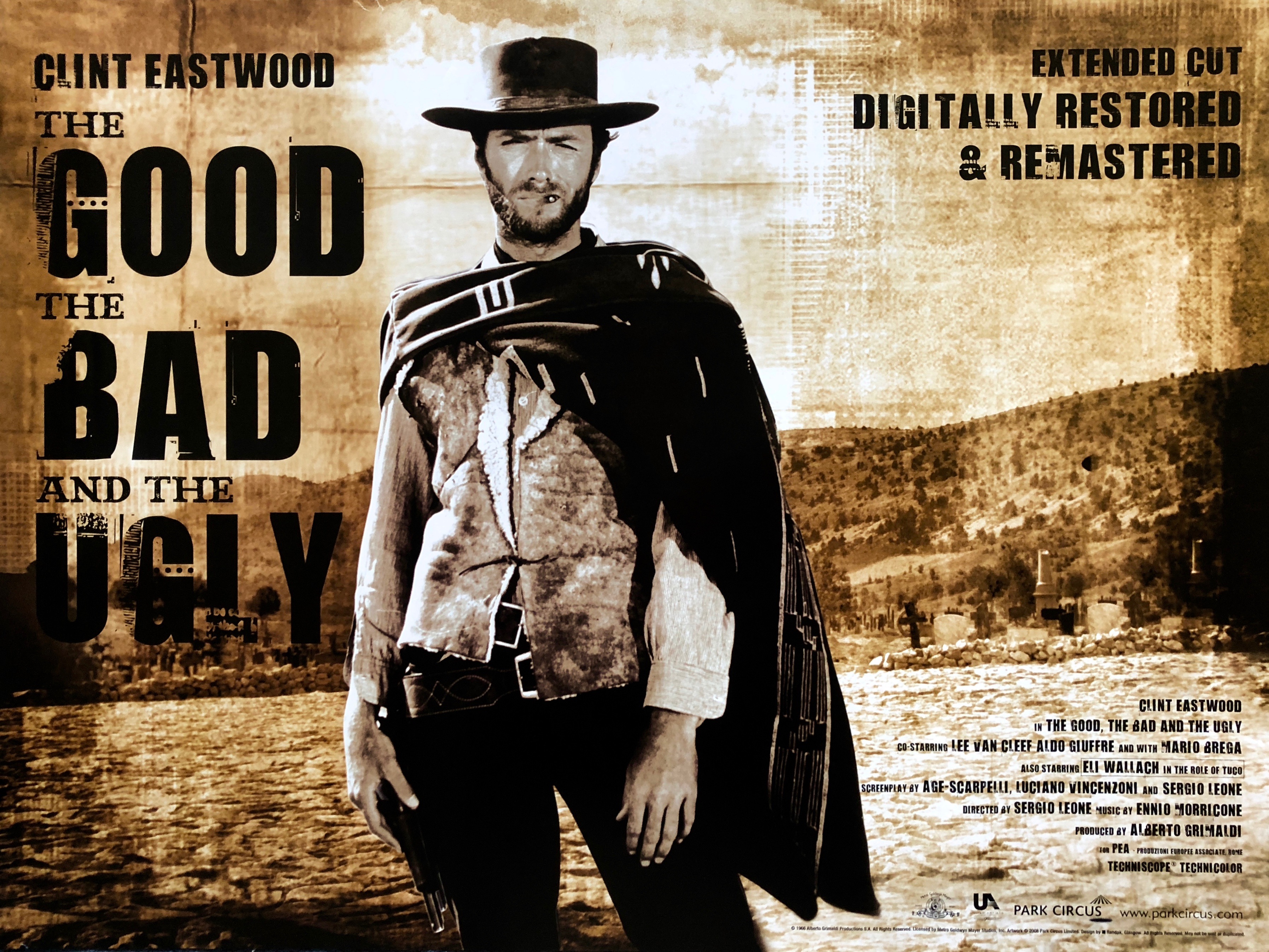
The dominant colors are usually this rich, earthy brown, this vibrant, almost aggressive red, and this bright, piercing yellow. It’s a combination that screams "heat" and "danger." It’s intense. It’s not subtle. And why should it be? This is a Western, for crying out loud!
That red… it’s like blood spilled in the desert. Or maybe just the intense heat making everything feel a bit feverish. Whatever it is, it works. It draws your eye. It makes you feel the grit and the grime of that world. It’s like a visual punch to the gut, in the best possible way.
And the yellow! That’s the sun, right? The relentless, unforgiving sun that bakes everything and everyone. It’s almost blinding. It’s hot. So, so hot. You can practically feel your brow sweating just looking at it. Talk about immersive design!
The composition, too, is just… *chef’s kiss. The way the figures are arranged, the swirling lines, the sense of movement… it’s all designed to grab your attention and hold it. It’s not just a picture; it’s an invitation to adventure. A very loud, very colorful invitation.
That Font! Oh, That Font!
And don't even get me started on the font. That bold, blocky, slightly distressed typeface for "The Good, The Bad and The Ugly." It’s just… perfect. It’s like it was carved out of wood with a rusty knife. It’s rugged. It’s raw. It embodies the spirit of the film.
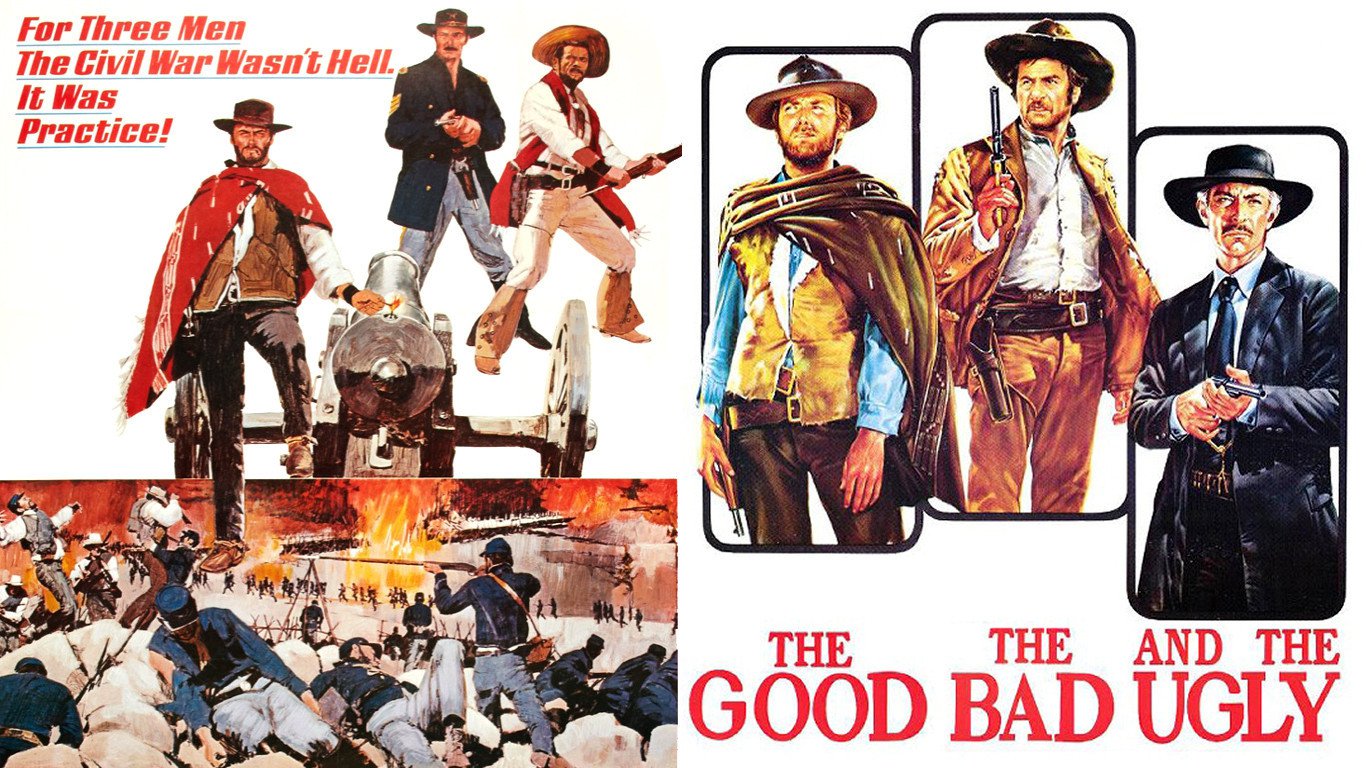
It’s not some fancy, delicate font. Nope. This is a font that’s seen some action. It’s got character. It’s got grit. It looks like it could survive a dust storm and still stand tall. You know, like the characters themselves.
And how they use it! Sometimes it's stretched, sometimes it's stacked. It's always prominent, always demanding your attention. It's not just text; it's a design element that’s as crucial as the images themselves. It tells you, "This is gonna be a wild ride, folks. Buckle up."
It’s funny, isn’t it? How a simple choice of font can have such a huge impact? It's like finding the perfect accessory to complete an outfit. This font is the perfect accessory for this poster. It’s the cherry on top of the dusty, gritty sundae.
The Subtle (and Not-So-Subtle) Symbolism
Beyond the immediate visual impact, there’s a lot going on, conceptually, with this poster. It’s not just about three guys in the desert, is it?
You’ve got the idea of duality, of good versus evil, of course. But in this film, it’s all muddled, isn’t it? The lines are blurred. Who’s truly good? Who’s truly bad? And who’s just… ugly? The poster hints at this complexity. It’s not a clear-cut battle.
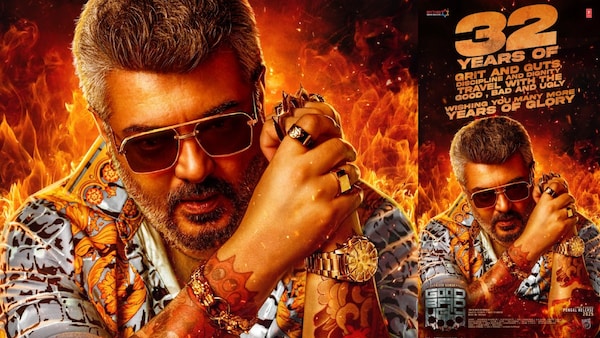
The swirling lines, the almost chaotic arrangement of elements, they suggest a world that’s not neatly defined. It’s a world of shifting alliances, of unpredictable actions, of moral ambiguity. It’s a world where survival is key, and sometimes, you gotta get your hands dirty.
And those little pops of color, those sharp contrasts… they represent those moments of intense action, those sudden bursts of violence or revelation that punctuate the slow, simmering tension of the film. It’s a visual representation of the film’s pacing, in a way. Quiet moments punctuated by explosive ones.
It’s like they’ve managed to distill the entire essence of the movie into one single image. That's the mark of a truly great poster, right? It’s a promise of what’s to come, and it delivers. Every single time.
The Legacy: More Than Just a Poster
So, why does this poster endure? Why is it still so relevant, so iconic, decades later? I think it’s because it tapped into something primal. Something about the allure of the Wild West, about the eternal struggle between good and evil, about the enduring appeal of a compelling story well told.
It’s also, let’s face it, a masterclass in visual storytelling. The composition, the colors, the typography – it all works together in perfect harmony to create an image that is instantly recognizable and deeply evocative.
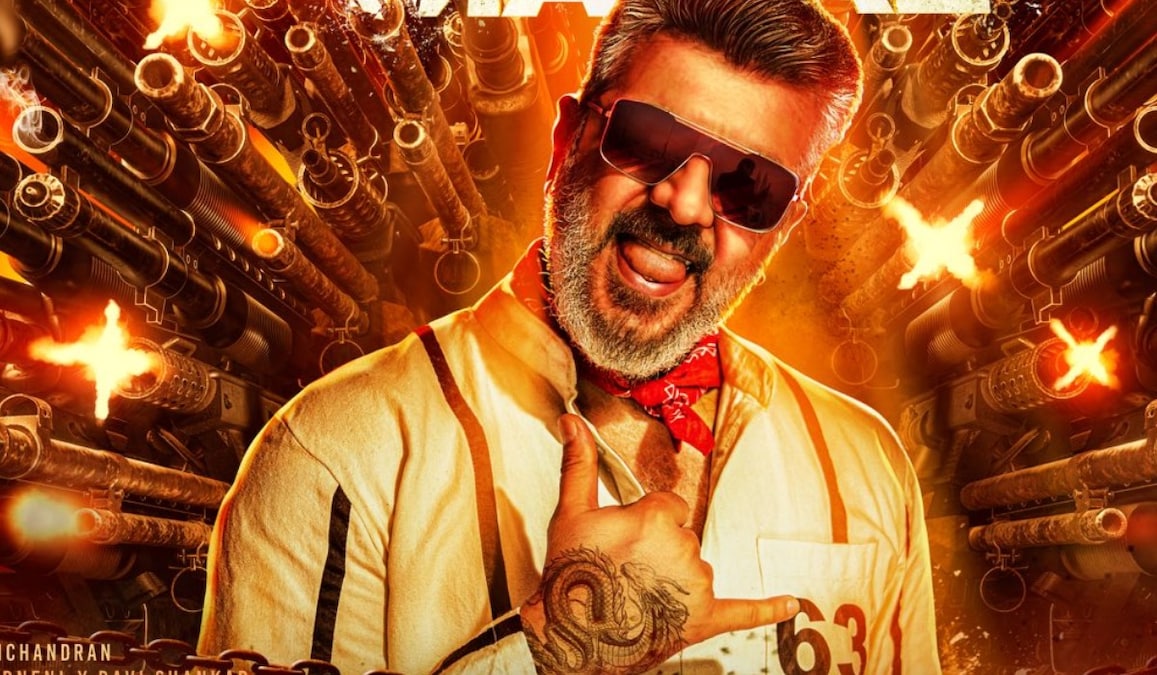
It’s not just a piece of marketing; it’s a piece of art. It’s a cultural touchstone. It’s a reminder of a cinematic era that was bold, daring, and unforgettable. And it’s a poster that, even if you’ve never seen the movie, you probably feel like you have. That’s the power of a truly iconic image.
You see it, and you just know. You know it’s going to be epic. You know there’s gonna be grit. You know there’s gonna be glory. And you know there’s gonna be some seriously cool hats involved. What more could you ask for, really?
It's like a secret handshake for movie buffs. You see that poster, and you instantly connect with millions of other people who appreciate its brilliance. It’s a shared experience, even if you’re just looking at it on a wall.
The Enduring Appeal
And let’s be honest, who doesn’t love a good Western? There’s something about those wide-open spaces, those rugged characters, that sense of adventure and danger. It’s a genre that speaks to something deep within us, a yearning for freedom, for justice, for a good old-fashioned showdown.
The Good, The Bad and The Ugly poster captures all of that and more. It’s the visual embodiment of the Spaghetti Western. It’s got the grit, the glory, and the undeniable charisma of its lead actors. It’s a poster that has stood the test of time, and I have a feeling it’s going to keep doing so for a long, long time.
So next time you see it, take a moment. Appreciate the artistry. Think about the story it tells without saying a single word. It’s more than just a movie poster; it’s a legend. And you and I? We’re just lucky enough to be able to admire it. Cheers to that!