
I remember the first time it happened. I was probably ten, maybe eleven, proudly working on my very first scarf. It was a hideous neon green acrylic, a testament to a youthful, questionable aesthetic. I’d been meticulously following a pattern – or at least, I thought I was. Suddenly, I looked down, and there it was. A gaping hole where a perfectly formed stitch should have been. It looked like my scarf had a tiny, inexplicable window to Narnia. Panic, dear reader, ensued. I’d worked for hours on this monstrosity, and now it was…ruined. Or so I thought.
Fast forward a few decades, and while my taste in yarn has significantly improved (thank goodness!), the nemesis of the slipping stitch remains. It’s like that one annoying relative who shows up uninvited to every family gathering. You know they're coming, you dread them, and yet, there they are, ready to cause a little bit of chaos.
So, let's talk about these pesky little Houdinis of the knitting world. Slipping stitches. They’re not inherently evil, mind you. In fact, they’re often a crucial part of beautiful lace patterns, intricate cables, and those oh-so-cozy slipped stitch textures. But when they slip unintentionally? Oh, boy. That’s when the knitting fun takes a sharp left turn into frustrationville.
The Case of the Wandering Loop
What exactly is a slipped stitch? In the simplest terms, it's a stitch that you don't knit or purl, but rather pass from one needle to the other, as if you were going to knit or purl it, but then you just…don't. Think of it as skipping a step. You’re supposed to do something with that loop of yarn, but instead, you give it a little nudge and let it slide onto the next needle, a little bit bewildered and a lot less attached than it ought to be.
When this happens on purpose, following a pattern, it’s a deliberate action. You’re instructed to slip a stitch, often indicating how to slip it (knitting-wise or purl-wise) and whether to bring your yarn over or under. These intentional slips create neat edges, define cable crosses, or build those delicate, airy lace motifs that make us all ooh and aah over finished objects. They’re like the carefully choreographed dance moves of knitting.
The unintentional slipped stitch, however, is more like a toddler who’s escaped their playpen and is now making a break for it across the living room. It’s usually a result of a moment of distraction, a lapse in concentration, or sometimes, just a slippery yarn doing its own thing. You’re knitting along, perhaps lost in thought about what’s for dinner or the latest episode of your favourite show, and then…whoosh. That stitch is no longer a stitch. It’s a loose loop, a potential gaping hole, a harbinger of doom for your project.
Why Do They Do It? The Usual Suspects
So, how does this happen? What makes a perfectly happy stitch decide to pack its bags and leave the knitting party? Several culprits come to mind. Let’s investigate:
1. Distraction, Distraction, Distraction! This is, by far, the most common reason. Knitting often happens while we’re multitasking. We’re watching TV, listening to a podcast, chatting with a loved one, or let’s be honest, scrolling through Instagram for just one more minute. In these moments, our brains are only partially engaged with the rhythmic dance of yarn and needles. A brief thought about a rogue squirrel outside, a sudden urge for a cup of tea, or even a particularly engrossing plot twist can cause your hands to momentarily disengage from their task. And poof! A stitch slips.

2. The Slippery Yarn Factor. Some yarns are just…naughtier than others. Very smooth, silky yarns, or those with a tight twist, can be prone to slipping off the needles more easily. Imagine trying to hold onto a greased watermelon. That’s sometimes what it feels like. These yarns require a little extra vigilance and a gentler touch. Knitting with them can feel like walking a tightrope – exhilarating when you get it right, terrifying when you don’t.
3. Needle Choice Woes. Sometimes, your needles might be a bit too smooth or too slick for your yarn. If your stitches are constantly sliding off like they’re on a waterslide, your needles might be the issue. Conversely, if your needles are too grippy, you might be fighting with the yarn more than knitting it, which can also lead to accidental slips when you’re trying to force things. Finding the right needle material (wood, bamboo, metal, plastic) and finish for your yarn is key. It's like finding the perfect dance partner – they need to be in sync with you.
4. The dreaded "Dropped Stitch" Imposter. Sometimes, what looks like a slipped stitch is actually a dropped stitch that has begun to unravel. This is a slightly different beast, but the visual can be similar. A dropped stitch means the entire column of stitches above it has come undone. A slipped stitch, on the other hand, is usually just a single loop that has bypassed its intended journey. The repair methods can be similar, but it's good to know the difference. Don’t you hate it when you think you’ve caught it early, only to realize it’s a whole cascade of unraveling? Ugh.
5. Fatigue, My Friend. Let's be real. When you've been knitting for hours on end, your fingers get tired, your focus wavers, and your stitch control can start to decline. Those late-night knitting sessions, fueled by caffeine and a desperate need to finish just one more row, are prime time for accidental stitch slip-ups. Your brain is saying "knit," but your fingers are whispering "let's take a break."
The Dreaded Hole: What to Do When the Unthinkable Happens
Okay, so you’ve discovered the hole. The Narnia portal has reappeared. What now? Deep breaths. It’s not the end of the world. Trust me, I’ve salvaged more projects from the brink of disaster than I care to admit. Here’s how you can tackle that rogue loop:
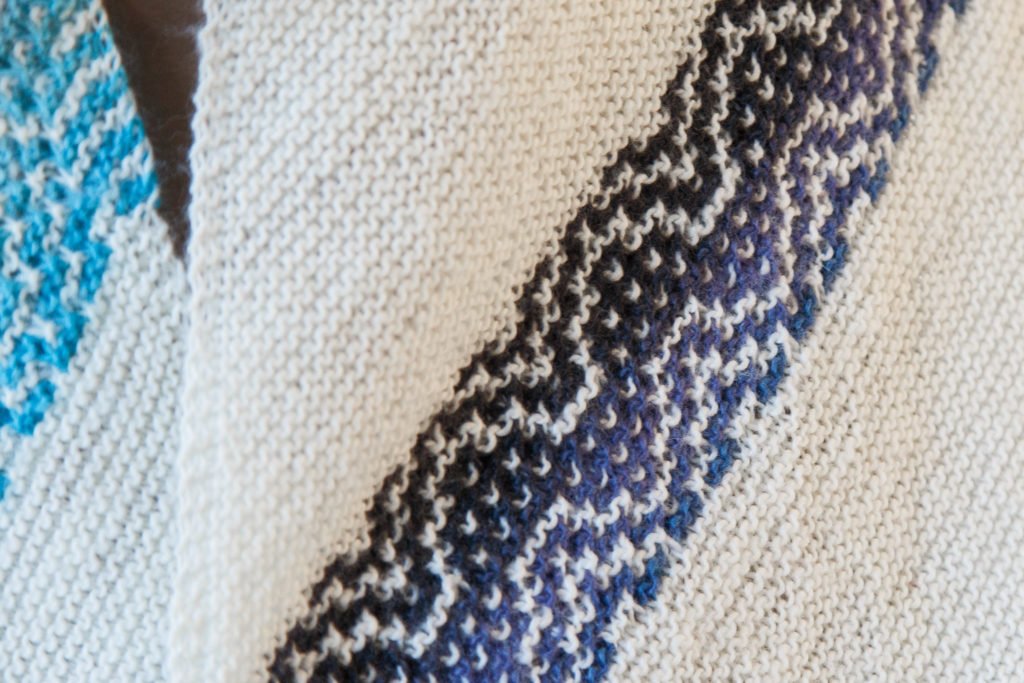
Option 1: The Crochet Hook Rescue Mission
This is my go-to method for a single, isolated slipped stitch that hasn’t fully unravelled. Grab yourself a crochet hook that’s roughly the same size as your knitting needle. Gently pick up the loop that’s hanging loose. Now, using the crochet hook, carefully “knit” that loop back onto your needle. You’re essentially creating a new stitch from the loose yarn. Work it as if you were knitting or purling it, depending on where it is in your work. It might look a little wonky at first, but often, with a gentle tug and a bit of manipulation, it blends right in.
Pro Tip: If you’re feeling brave and the yarn is cooperating, you can sometimes use the tip of your knitting needle to snag the loop and pull it back into place. But for me, the crochet hook offers a little more control and less risk of further unraveling.
Option 2: The Knitting Needle Stitch Retrieval
If the slipped stitch is still clinging to the needle but just isn't knitted or purled, you might be able to simply knit or purl it correctly on the next pass. However, if it’s already come off the needle, you’ll need to pick it up. This is where a knitting needle (or even a double-pointed needle) comes in handy. You’ll need to find the loose yarn that forms the loop. Carefully insert your needle into that loop and draw it up onto the needle. You might need to use your fingers to guide the yarn. Once it’s on the needle, you can then work it as intended on the next row. This requires a bit of dexterity and a good light source, I’ll tell you that much!
Option 3: The "Maybe Nobody Will Notice" Approach (Use With Caution!)
Look, we’ve all been there. Sometimes, the dropped stitch is tiny, and the fabric is dense. If it’s in a less conspicuous spot, and the yarn is forgiving, you might be able to get away with just…ignoring it. A gentle tug on the surrounding stitches can sometimes help to disguise the little anomaly. This is a high-risk, low-reward strategy, and I only recommend it for projects where perfection isn’t the absolute be-all and end-all. Shh, don't tell anyone I suggested this!
Option 4: Backtrack and Re-Knit (The Most Reliable, But Most Annoying)
If the slipped stitch has caused a significant unraveling or if you’re aiming for a truly flawless finish, the most reliable solution is to carefully unravel your work back to the point before the mistake happened and re-knit it. This is never fun. It feels like a step backward, a defeat. But sometimes, it’s the only way to achieve the clean, polished look you’re after. Think of it as a learning opportunity, a chance to solidify those knitting muscles and your concentration.
![Slipping Stitches Knitwise or Purlwise [FREE Knitting Tutorial] | LKO](https://learnknittingonline.com/wp-content/uploads/Slipping-Stitches-Step-2_Purlwise-800x359.jpg)
Prevention is Better Than a Cure (Or: How to Avoid Those Pesky Escapes)
Since we've established that slipped stitches are like unwelcome guests, wouldn't it be lovely to prevent them from crashing the party in the first place? Here are some strategies to keep your stitches firmly on the needles:
1. Embrace Mindfulness. This is the big one. Try to dedicate your full attention to your knitting when you're actively working a tricky section or a new pattern. Put down the phone, pause the show, and just be with your yarn. It’s a form of meditation, really, just with more tangles. Seriously though, a few minutes of focused knitting can save you hours of unraveling.
2. Slow Down. There's no knitting race here. If you find yourself consistently slipping stitches, it's a sign that you need to slow down. Knit at a pace that allows you to maintain control and awareness of each stitch. Your future self will thank you.
3. Know Your Yarn and Needles. Pay attention to how your yarn behaves on your needles. If a yarn is particularly slippery, you might opt for bamboo or wood needles that offer more grip. If your needles feel too slick, consider switching to a different material. Experimenting is key here. It’s like a chef knowing their ingredients!
4. Mark Your Place (and Your Pattern). For complex patterns, especially those with intentional slipped stitches, use stitch markers! Place them strategically to highlight stitch patterns, cable crosses, or places where mistakes are more likely to occur. Also, keep your pattern handy and follow it diligently. Don’t assume you know what comes next, even if you’ve knitted it a hundred times.
![Slipping Stitches Knitwise or Purlwise [FREE Knitting Tutorial] | LKO](https://learnknittingonline.com/wp-content/uploads/Slipping-Stitches-Step-1_Knitwise_E-768x290.jpg)
5. Invest in a Yarn Bowl. These adorable little bowls keep your yarn from rolling away and tangling up. While they don't directly prevent stitch slipping, they do reduce a common source of distraction and fumbling, which can contribute to those accidental escapes.
6. Take Breaks. When you feel your focus waning or your fingers getting tired, take a break. Step away from your knitting. Stretch your hands, do some eye exercises, and then come back to it with fresh eyes and renewed concentration. A short break is far better than a long fix.
A Word on Intentional Slips
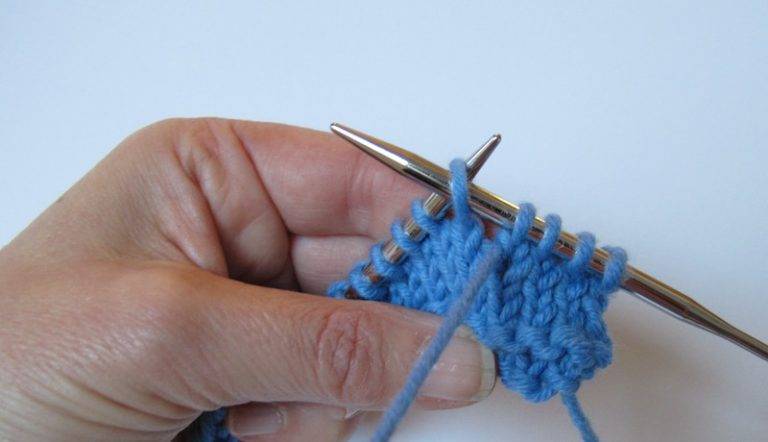
Before we wrap this up, a brief nod to the good slipped stitches. These are the ones that are part of a deliberate pattern. If you’re working a lace pattern that calls for slipping stitches, pay close attention to the instructions. It usually matters whether you slip the stitch knitwise (as if to knit) or purlwise (as if to purl). This affects how the stitch is oriented and how it will interact with the surrounding stitches, creating those beautiful holes and textures.
Understanding how to intentionally slip stitches is a gateway to a whole new world of knitting techniques. It’s how you create those stunning cable patterns that look so complex, or those delicate lace shawls that seem impossibly light. So, don't be afraid of the slip stitch. Learn to master the intentional ones, and you'll unlock so many new possibilities.
And for the unintentional ones? Well, they’re just part of the journey. They’re the little bumps in the road that remind us to be present, to be patient, and to sometimes, just grab a crochet hook and work a little magic. Happy knitting, dear friends!


/SlipSlipKnit_2-5ad109986bf069003796ff1a.jpg)
