Okay, so picture this: it’s late. Like, really late. The kind of late where the only sounds are the hum of the refrigerator and maybe the existential sigh of a passing car. And I’m sitting there, staring at my phone, scrolling through endless pics of dogs wearing hats (because, let’s be honest, what else are you going to do at 2 AM?). Suddenly, a thought zips through my brain like a rogue sparkler: what if... what if the stuff in museums actually came alive at night?
I mean, we’ve all seen the movie, right? The hilarious chaos, the surprisingly emotional T-Rex, the whole shebang. But it got me thinking, what’s the real magic behind those places? Is it just the dusty artifacts, or is there something more? This whole “Night at the Museum” idea, it’s basically a playground for our imaginations, isn’t it? It lets us peek behind the velvet ropes and wonder about the stories these silent sentinels hold.
And that’s what we’re diving into today, folks. Not the fictional adventures of Larry Daley, but the actual locations that inspired such fantastical notions. We’re going to explore the real-world museums that feel like they could host a prehistoric party or a Roman legion skirmish after dark. Think of it as a behind-the-scenes tour, but instead of backstage passes, you get my rambling thoughts and a whole lot of curiosity. So, buckle up, grab your imaginary flashlight, and let’s go ghost-hunting (or at least, artifact-gazing) in some of the most iconic museum spaces on Earth.
The Grand Daddy of Them All: The American Museum of Natural History
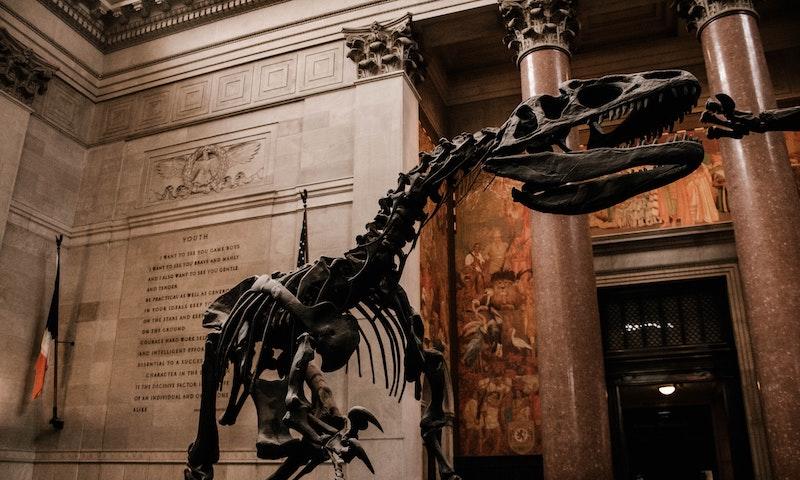
Let’s start with the OG, shall we? The American Museum of Natural History in New York City. This is where it all began, people! If you’ve ever seen the movie, you know this place is practically a character itself. Those enormous dinosaur skeletons? Yeah, they’re even more awe-inspiring in person. Imagine them clanking around in the dead of night, tiny Jedediah battling a grumpy Triceratops. (Okay, maybe that last bit is just me.)
Seriously though, this museum is a labyrinth of wonders. You’ve got the Hall of Ocean Life with its massive blue whale hanging from the ceiling – talk about a majestic sight, even when it’s just… hanging. And then there are the dioramas. Oh, the dioramas! Those perfectly preserved scenes of animals in their natural habitats. You can almost hear the rustling leaves and the distant calls of the wild. If any place was going to host a nightly spectacle, it would be here.
It’s easy to see why director Shawn Levy chose this spot. It’s got the scale, the diversity, and that inherent sense of mystery that comes with holding so much of the planet’s history under one roof. You can spend hours, days, wandering through its halls and still feel like you’ve only scratched the surface. And in the quiet of the night, with the lights dimmed, you can just feel the potential for something extraordinary to happen. It’s less about the exhibits being magically alive and more about the feeling of life teeming within them, waiting for a spark.
Think about the sheer volume of stories contained within those walls. Each fossil, each taxidermied creature, each ancient artifact – they all have a past. They’ve witnessed things we can only imagine. So, when you’re standing in front of a dinosaur skull the size of your car, it’s not hard to let your mind wander to a time when that magnificent beast was very much alive, roaring and thundering. And in the hushed stillness of night, that mental leap becomes even easier. It’s like the exhibits are holding their breath, waiting for the moon to rise.
And it’s not just the big, flashy stuff. Even the smaller, more delicate displays – the meteorites, the gems, the cultural artifacts from indigenous peoples – they all hum with a quiet energy. You can almost feel the hands that shaped them, the lives they touched. It’s this collective weight of history and human experience that makes places like the AMNH so captivating, especially when you imagine them bathed in moonlight. It’s a testament to the enduring power of our planet’s past and the people who inhabited it.
A Touch of British Grandeur: The Natural History Museum, London
Now, let’s hop across the pond to another titan: the Natural History Museum in London. This place is a whole different beast, and I mean that in the best possible way. It’s housed in a building that’s practically a work of art in itself – a magnificent Romanesque Revival masterpiece. Just walking through the entrance hall, with its soaring arches and intricate stonework, feels like stepping into another era.
And then there’s “Hope,” the iconic blue whale skeleton suspended in the Hintze Hall. It’s majestic, humbling, and utterly breathtaking. Unlike the AMNH’s blue whale, which is in a dedicated hall, Hope dominates the central space, making her presence felt throughout the entire museum. Imagine that enormous skeleton, illuminated by moonlight filtering through the vast windows. It’s a scene straight out of a dream.
But the London Natural History Museum isn't just about the whales. It's got everything from dinosaur fossils that will make your jaw drop to a mind-boggling collection of insects. And let's not forget the Earth Hall, where you can learn about volcanoes, earthquakes, and the very forces that shaped our planet. If any of those exhibits decided to throw a party, I can only imagine the seismic activity! (Okay, that was a terrible pun, I know. Forgive me.)
What’s so special about this museum, in the context of our nightly adventures, is its sheer grandeur. It’s a place that demands to be explored, and the dimly lit halls at night would only enhance that sense of discovery. You could easily get lost for hours, stumbling upon ancient treasures and learning about the natural world in a way that feels incredibly intimate. It's the kind of place where you'd half expect a dodo bird to waddle out from behind a display case.
The architecture itself plays a huge role here. The intricate carvings, the mosaic floors, the stained-glass windows – they all contribute to an atmosphere of timelessness. You can feel the history seeping from the very stones. And when you imagine that space at night, with the moonlight casting long shadows and illuminating the dust motes dancing in the air, it’s easy to believe that the exhibits are just waiting for the right moment to stir. It’s a truly magical place, and the movie “Night at the Museum: Secret of the Tomb” even features scenes filmed here, adding another layer to its cinematic legacy.
You can almost hear the echoes of footsteps from centuries past, the hushed whispers of scientists and visitors alike. And in the quiet hum of the night, those echoes seem to grow louder, the stories of the past becoming more vivid. It's a place that sparks the imagination, that invites you to wonder about what lies beyond the visible, and that’s precisely why it’s such a perfect candidate for a nocturnal escapade.
A Glimpse into the Past: The Metropolitan Museum of Art, New York
Okay, so “Night at the Museum” focused on natural history and ancient civilizations. But what about art? Imagine the Metropolitan Museum of Art, or “The Met” as we cool kids call it. This place is a whole universe of art and artifacts, spanning thousands of years and cultures.

Think about it: Egyptian temples reconstructed brick by brick, suits of armor that look ready for battle, Impressionist masterpieces that seem to glow even in the dark. If any of those Egyptian pharaohs decided to have a little chat with a medieval knight, I’m pretty sure it would be at The Met. And who wouldn’t want to eavesdrop on that conversation?
The sheer scale and diversity of The Met are mind-boggling. You can walk from a Roman sarcophagus to a Japanese garden to a Renaissance painting all within a few steps. It’s like a global tour without leaving Manhattan. And at night, with the lights down low, each section would take on a new, mysterious aura. The ancient artifacts would seem even older, the paintings more vibrant, the sculptures more imposing.
The Met is a place where history isn’t just presented; it’s experienced. You can stand before an object that was created thousands of years ago and feel a direct connection to the person who made it. And at night, that connection would be even more profound. It’s like the barriers of time and space would dissolve, and you’d be able to reach out and touch the past.
Consider the Egyptian Wing. Walking through the reconstructed Temple of Dendur at night? That’s got to be a surreal experience. The massive stone structures, illuminated by soft, strategic lighting, would feel ancient and powerful. You can almost picture the priests performing their rituals, the pharaohs surveying their kingdom. And now, imagine that stillness broken by the faint murmur of conversation, or the clink of a sandal.
And the armor! Oh, the armor. Standing in the Arms and Armor section, surrounded by gleaming suits of metal, you can’t help but feel a sense of awe and a touch of trepidation. You’d swear you could hear the clang of swords and the shouts of warriors. In the quiet of the night, it’s easy to let your imagination run wild and envision those suits of armor suddenly springing to life, ready for a joust.
The Met is a place that invites contemplation. It’s a quiet space, even during the day, but at night, that quiet would be amplified, allowing for a deeper engagement with the exhibits. You’d be able to spend more time with each piece, absorbing its history and its artistry without the usual crowds. It's the ultimate immersive experience, turning a typical museum visit into something akin to a private audience with history itself.
A Parisian Dream: The Louvre Museum, Paris
And of course, we can't talk about iconic museums without mentioning the Louvre in Paris. This place is the epitome of grandeur and history. Housed in a former royal palace, it’s a sprawling complex that holds some of the world’s most famous masterpieces.
Think of the Mona Lisa, the Venus de Milo, the Winged Victory of Samothrace. These aren't just artworks; they’re legends. And imagine them, alone in their galleries, under the soft glow of the moon. Would the Mona Lisa offer a knowing smile? Would Venus strike a more dramatic pose? Would the Winged Victory take flight? My money’s on a collective, hushed conversation about the latest Parisian fashion trends.
The Louvre is more than just a museum; it’s a symbol of French culture and history. Every corner, every hallway, every grand salon whispers tales of kings, queens, artists, and revolutionaries. It's a place that feels steeped in stories, and the night would only serve to amplify that feeling.
Walking through the Denon Wing, home to the Italian Renaissance masterpieces, at night would be an experience unlike any other. The dim lighting would create an intimate atmosphere, allowing you to truly connect with the art. And who knows, maybe Leonardo da Vinci himself would pop out from behind his easel to offer some painting tips. (A girl can dream, right?)
The sheer scale of the Louvre is something to behold. You could spend weeks here and still not see everything. And at night, with fewer people around, you’d have the luxury of truly immersing yourself in each collection. Imagine having the entire Egyptian Antiquities section to yourself, surrounded by sarcophagi and ancient hieroglyphs. It’s the stuff of dreams.
And let’s not forget the building itself. The Louvre Palace is a historical monument in its own right, with its own rich and complex past. The blend of historical architecture and world-class art creates a truly unique and captivating environment. In the quiet of the night, the whispers of the past would be even more palpable. You can almost feel the presence of all those who have walked these halls before.

The Louvre, with its iconic glass pyramid and its endless corridors filled with treasures, is the perfect setting for a “Night at the Museum” scenario. It’s a place that inspires wonder and curiosity, and at night, that sense of wonder would be amplified tenfold. It's where art, history, and imagination converge, and the potential for a magical encounter is practically guaranteed.
Beyond the Movies: The Real Magic of Museums at Night
So, while the movies are fantastic for sparking our imaginations, the real magic of museums at night isn't about exhibits literally coming to life. It's about the atmosphere. It's about the quiet contemplation, the hushed reverence, and the profound sense of connection to the past that these spaces offer.
Many museums do offer special evening events, behind-the-scenes tours, or even overnight sleepovers (yes, really!). These events allow us to experience these incredible institutions in a different light, literally and figuratively. You get to wander through halls that are usually bustling with crowds, but at night, they’re quiet and contemplative. It’s a chance to see the exhibits in a new way, to appreciate the details that might be missed in the daytime hustle.
It's about the feeling of stepping back in time, of being a silent observer in a world that existed long before us. The moonlight casting long shadows, the silence punctuated only by your own footsteps – it’s a sensory experience that can be incredibly profound. You start to notice things you wouldn’t have otherwise. The texture of an ancient textile, the intricate carving on a sarcophagus, the subtle brushstrokes on a Renaissance painting.
It’s also about the stories. Even without the exhibits moving, the sheer volume of history and human experience contained within a museum’s walls is overwhelming. At night, when the distractions of the day fade away, you have the space to truly absorb those stories. You can let your imagination fill in the gaps, to ponder the lives of the people who created and used these objects. It’s an intimate encounter with the past, and it’s incredibly powerful.
So, the next time you find yourself in a grand museum, take a moment to imagine what it would be like after dark. Let the silence settle in, and let your imagination roam free. Because even without a mischievous monkey or a grumpy T-Rex, there’s a whole world of wonder waiting to be discovered in the quiet embrace of a museum at night. It’s not just about the objects; it’s about the echoes of the lives they touched, the stories they tell, and the enduring magic of human history. And that, my friends, is a pretty incredible thing to contemplate, no matter what time of day it is.