Ever found yourself idly wondering about the everyday stuff that makes our modern world tick? Like, why does that extension cord let the power flow, or what’s inside those sleek, shiny appliances? Well, today, we’re going to dive into a surprisingly fascinating question: Is aluminium a good conductor of electricity? It might sound a bit technical, but understanding this humble metal can unlock a whole new appreciation for the invisible forces that power our lives. It’s a bit like being a detective, uncovering the secrets of the materials all around us!
So, what’s the big deal about conducting electricity? Simply put, it means how easily electricity can travel through a material. Think of it like water flowing through a pipe. Some pipes are wide and smooth, letting the water rush through without a hitch. Others might be narrow or clogged, making it a real struggle for the water to get by. Materials that let electricity flow easily are called good conductors.
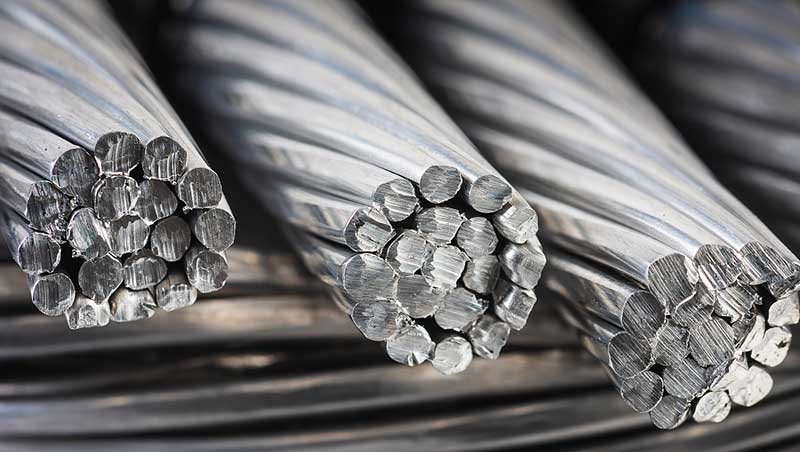
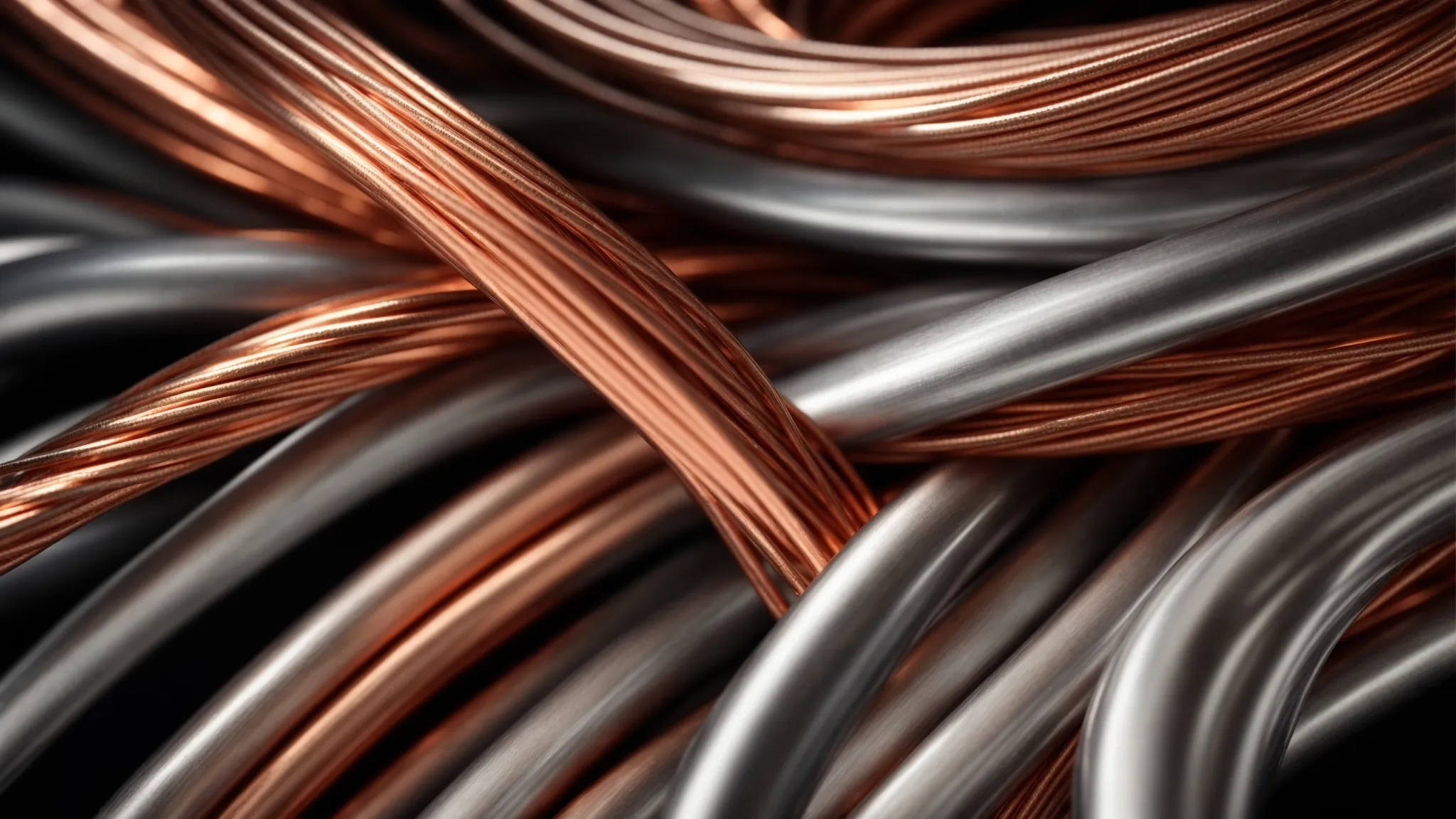
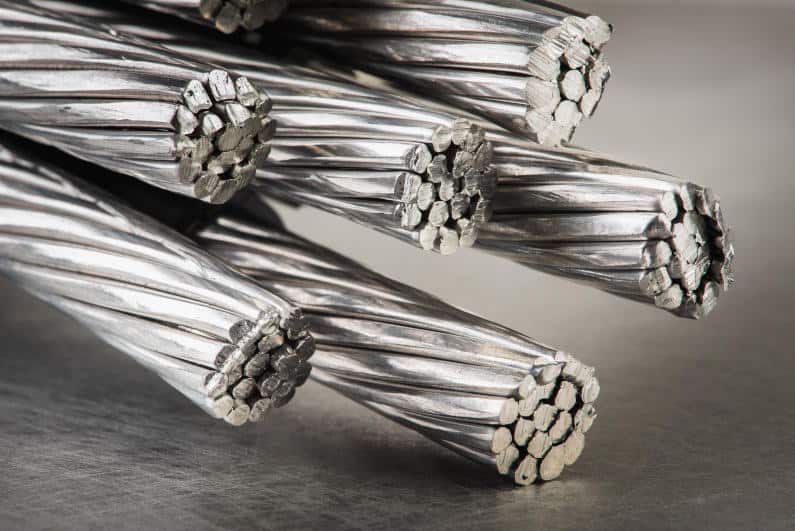
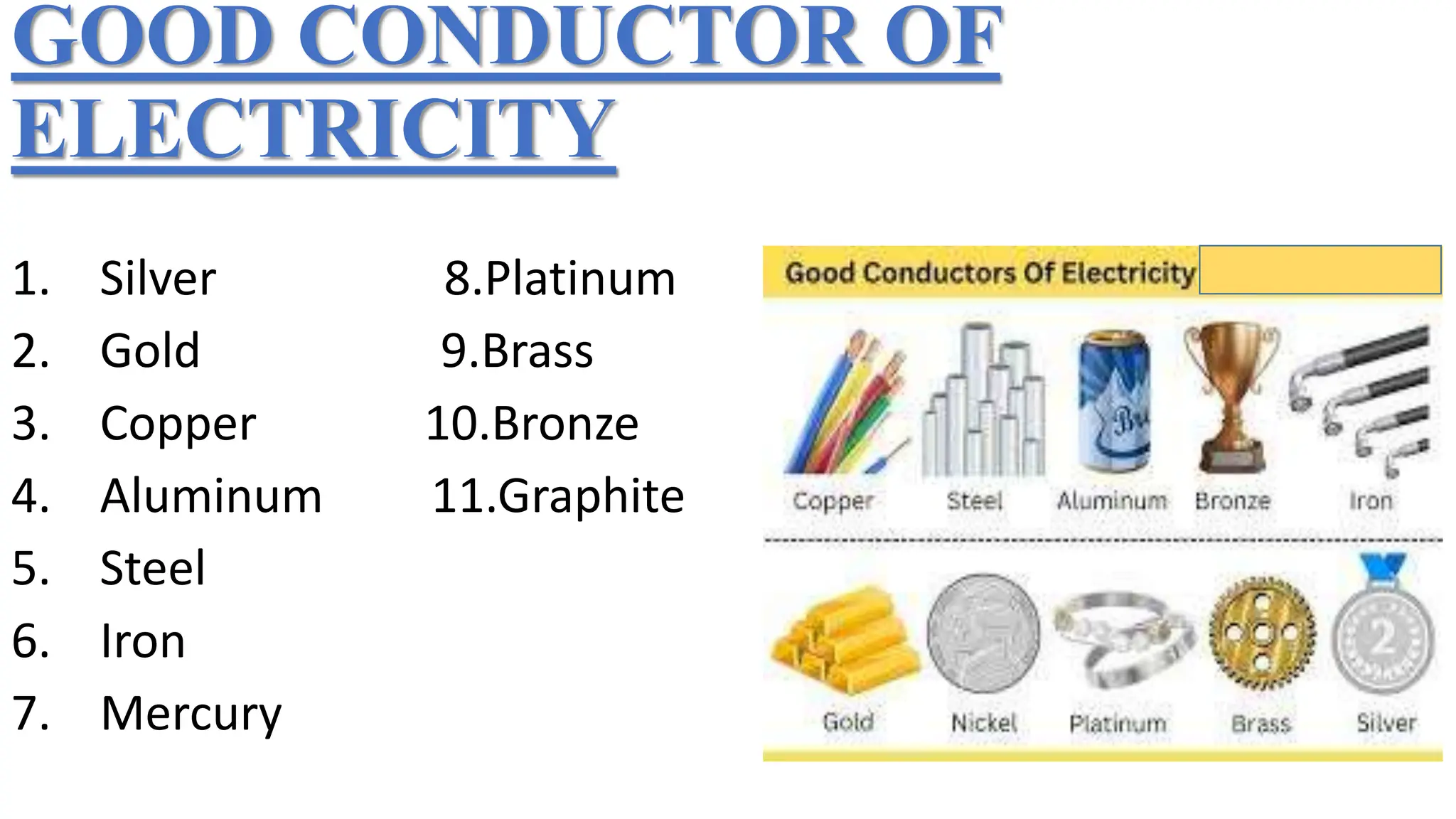
Now, where does aluminium fit into this picture? Aluminium is actually a pretty darn good conductor of electricity. While it might not be the absolute best (that honour usually goes to silver or copper), it’s a fantastic contender, especially when you consider its other amazing qualities. Its primary benefit is its lightness. Compared to copper, which is the king of conductivity, aluminium is significantly lighter. This is a huge advantage when you’re dealing with large amounts of material, like in power lines that stretch for miles. Imagine the weight difference if all those cables were made of copper!
Beyond its lightness, aluminium is also abundant and relatively inexpensive to produce. This makes it a much more cost-effective choice for many applications where top-tier conductivity isn't strictly necessary. It’s also resistant to corrosion, meaning it won't rust or degrade easily when exposed to the elements, making it ideal for outdoor electrical infrastructure.
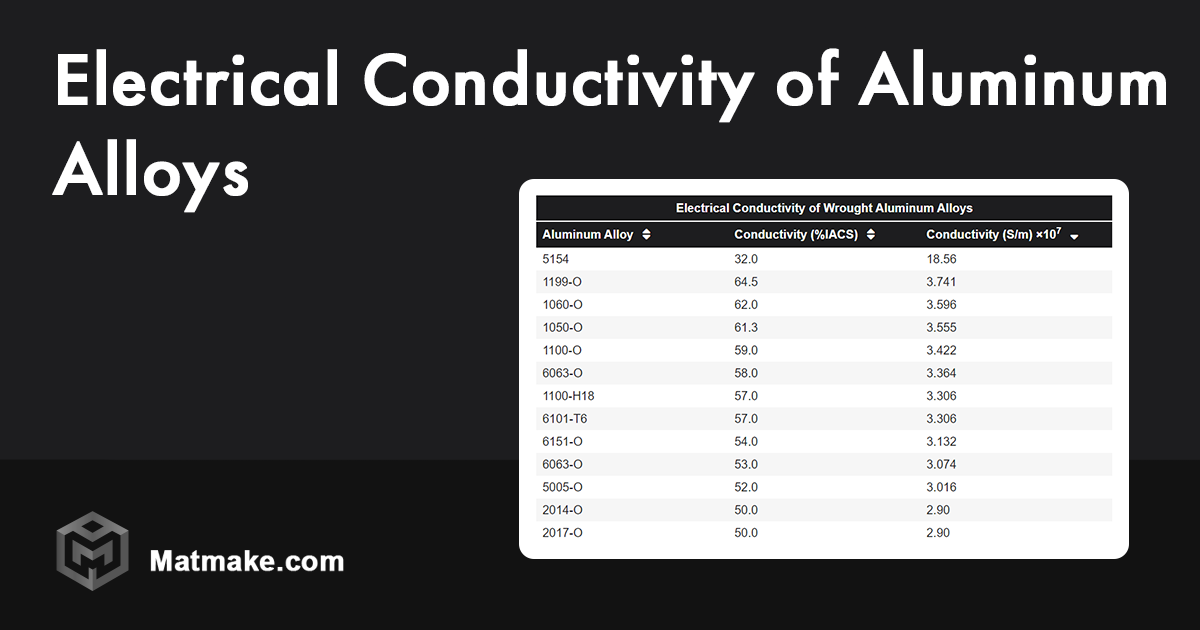
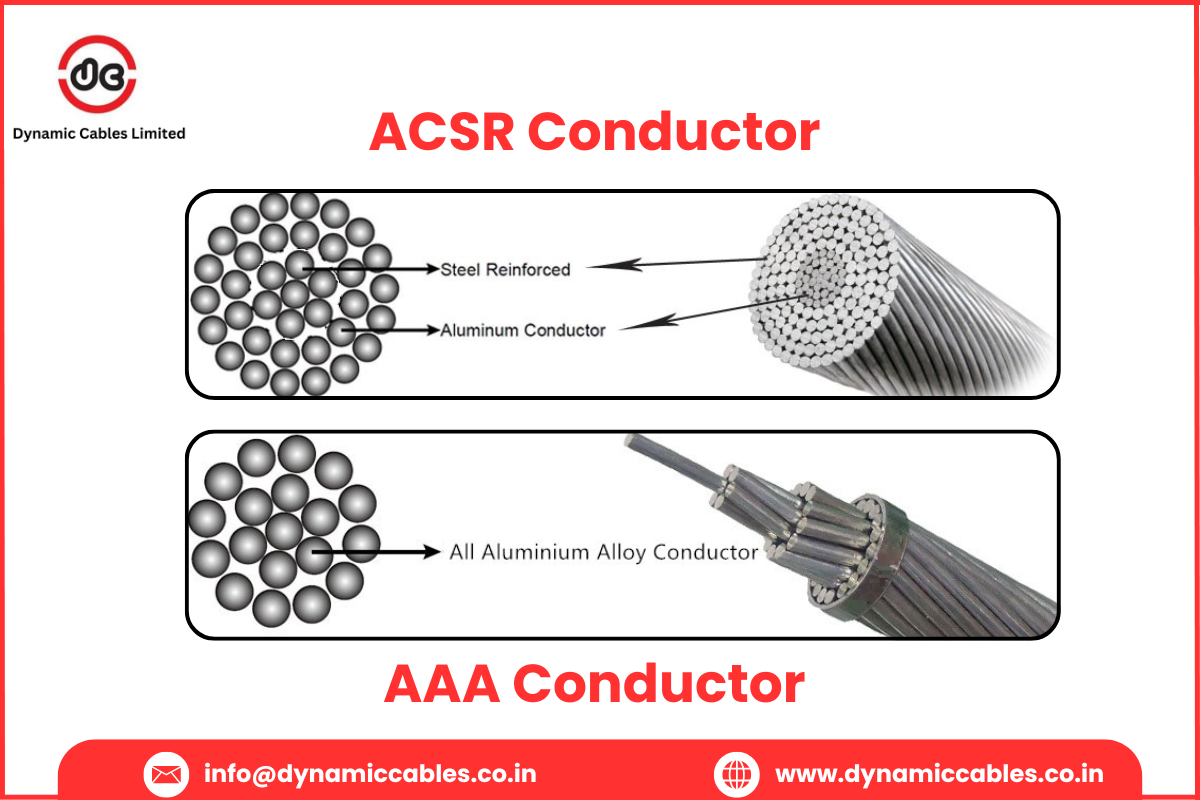
You might not see pure aluminium wires running into your house – copper is more common for household wiring due to its superior conductivity and flexibility. However, aluminium plays a crucial role in our electrical world. Think about those massive overhead power lines you see stretching across the countryside. Many of these are made of aluminium or aluminium alloys. It’s also used in some electrical substations and even in certain components within appliances. In the world of education, a simple aluminium foil can be used in basic circuit experiments to demonstrate conductivity, showing how it allows a small light bulb to glow.
Want to explore this yourself in a fun, simple way? Grab a piece of aluminium foil and a low-voltage battery (like a couple of AA batteries) and a small LED bulb. You can carefully create a simple circuit by using strips of foil to connect the battery terminals to the legs of the LED. If the foil is a good enough conductor, the bulb will light up! You can compare this to other materials, like a dry twig or a piece of plastic, and see the difference. It’s a hands-on way to see the concept of electrical conductivity come to life, all thanks to the unassuming power of aluminium.