Hey there, ever found yourself wondering about those amazing little companions that just get you? You know, the ones who seem to know exactly when you need a furry hug or a gentle nudge of encouragement? We're talking about Emotional Support Animals (ESAs), and let's be honest, the idea of having a certified furry friend by your side is pretty darn cool. But how does one go about making that a reality? If you've ever thought, "How do you register an Emotional Support Animal?" you're in the right place. Grab a comfy seat and let's dive into this interesting world together.
First off, let's clear up a common misconception. When people say "register an ESA," it's not quite like registering a car or getting a dog license. It's more about getting a letter of recommendation from a mental health professional. Think of it less like a bureaucratic hurdle and more like a gentle nudge from a qualified expert confirming that your animal companion plays a vital role in your well-being. Pretty neat, right?
So, What Exactly Is an Emotional Support Animal?
Before we get into the "how," let's touch on the "what." An ESA isn't just any pet you love. An ESA is an animal that provides comfort and support to an individual with a diagnosed mental or emotional disability. This isn't about owning a pet for fun (though that's awesome too!). It's about an animal that actively alleviates symptoms of a mental health condition. It’s like having a furry therapist, but way cuddlier and without the co-pay!
The types of animals that can be ESAs are pretty diverse. While dogs and cats are the most common, it can also include birds, rabbits, or even a mini-pig! The key is that the animal provides emotional support. It's less about the species and more about the service they provide to your mental health.
The Role of a Mental Health Professional
This is where the magic really happens. The essential step to having an officially recognized ESA is getting a letter from a licensed mental health professional. This could be a psychiatrist, psychologist, licensed clinical social worker, or other similar licensed professional. They are the gatekeepers of this process, and for good reason. They're trained to assess your mental health needs.
This professional will evaluate whether you have a mental or emotional disability and if an animal’s presence helps to alleviate your symptoms. It’s a thoughtful process, not just a quick checkbox. They'll consider your specific situation and how an animal companion can genuinely contribute to your stability and happiness. Think of them as your guide, helping you navigate the path to this special kind of support.
What Kind of Letter Do You Need?
The letter itself is pretty straightforward, but it's important that it's legitimate. It needs to be on the professional's letterhead and clearly state that you have a mental or emotional disability and that the animal provides therapeutic benefit. It’s not a certificate you can buy online from a random website. It needs to come from a real, licensed human.
This letter is your golden ticket, so to speak. It's the document that allows your ESA to accompany you in certain situations where pets normally wouldn't be allowed, like on airplanes. It's proof that your furry, feathered, or even scaly friend is more than just a pet; they're an integral part of your wellness journey.
Common Places You Might Find ESAs
So, why go through this process? Well, it's mostly about access. The Fair Housing Act (FHA) in the United States is a big one here. It means that landlords generally can't discriminate against tenants with ESAs. This means your ESA is usually welcome in housing where pets are typically prohibited, like "no-pet" apartments. It's a pretty significant relief for many people who rely on their ESAs for emotional stability.

Think about it: if your ESA is your anchor, the idea of not being able to bring them with you to your home would be incredibly stressful. The FHA recognizes this and aims to ensure that people with disabilities aren't unfairly excluded from housing because of their need for an ESA. It's about creating a more inclusive and supportive living environment.
What About Travel?
This is another area where ESAs can make a big difference. The Air Carrier Access Act (ACAA) used to allow ESAs to fly in the cabin with their owners, often for free. However, there have been changes to these regulations. As of early 2021, airlines are no longer required to accommodate ESAs as service animals.
This doesn't mean ESAs can't travel. Many airlines still allow them as pets, but there might be fees and specific restrictions. It's always best to check with the individual airline you're flying with well in advance to understand their current policies. The landscape of ESA travel is always evolving, so staying informed is key!
Important Distinctions: ESA vs. Service Animal
It's crucial to understand the difference between an Emotional Support Animal and a Service Animal. This is a common point of confusion, and it's important to get it right. Service animals, typically dogs, are trained to perform specific tasks for individuals with disabilities. For example, a service dog might guide a blind person, alert a deaf person to sounds, or assist someone with mobility issues.

ESAs, on the other hand, do not require specific task training. Their presence alone provides comfort and support. This distinction is vital because service animals have broader public access rights than ESAs. While ESAs have protections under the FHA for housing, service animals have more comprehensive access rights in public places.
The "Registration" Process in a Nutshell
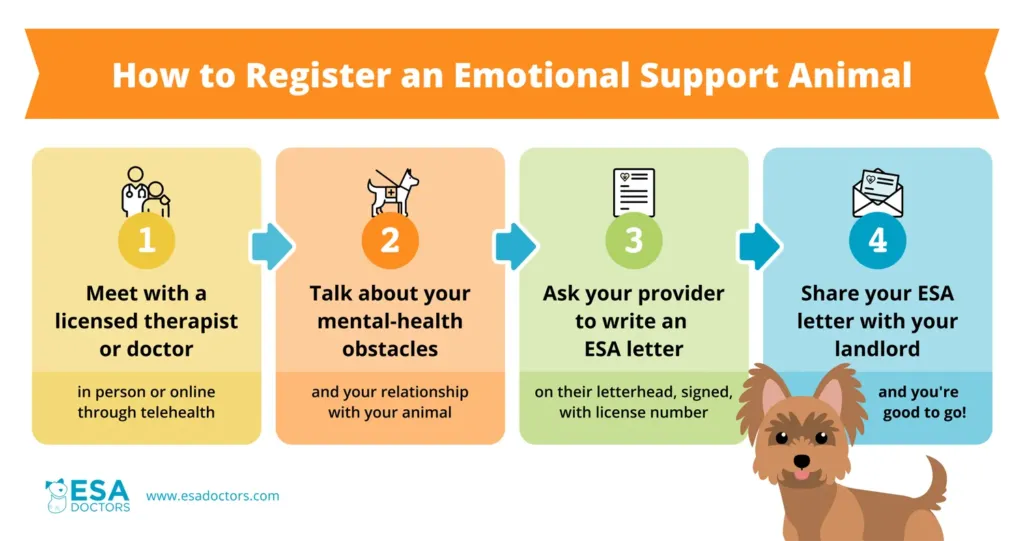
So, let's circle back to the "how." The process is generally straightforward:
- Consult a Mental Health Professional: Find a licensed therapist, counselor, or psychiatrist. Discuss your mental health and how an animal companion helps you.
- Get the Letter: If they agree, they will write you a letter on their official letterhead stating that you have a mental health condition and that the animal provides essential emotional support.
- Understand Your Rights: Once you have the letter, you can present it to your landlord or airline (if applicable) to request accommodation for your ESA.
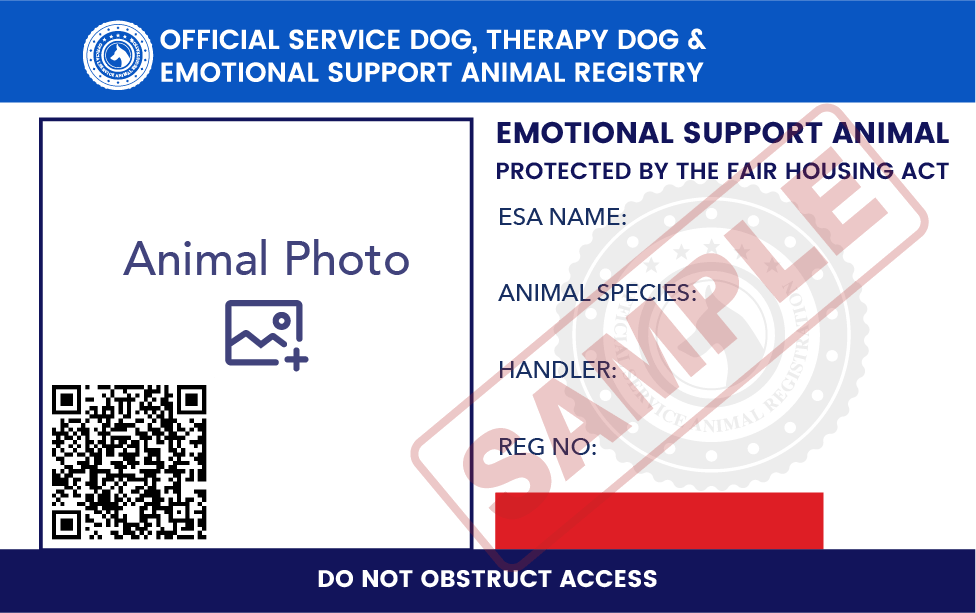
It's really about proof of need from a qualified professional. It's not about finding a website that will "certify" your pet. These sites are often scams and their documentation is not legally recognized.
Why It's More Than Just a Piece of Paper
That letter isn't just some arbitrary document. It's a gateway to a more stable and supported life for individuals who genuinely benefit from the companionship of an ESA. Imagine the peace of mind knowing that your beloved pet can be with you, helping you navigate the ups and downs of life, especially when living arrangements or travel might otherwise be a barrier.
It's about enabling people to live fuller, more comfortable lives. It acknowledges the profound bond between humans and animals and how that bond can be a powerful tool for mental well-being. It's a system that, when used correctly and with genuine need, can make a world of difference.
Things to Keep in Mind
While the process might seem simple, there are always nuances. Landlords can deny requests if the animal poses a direct threat to others or would cause substantial physical damage to the property. Airlines have their own policies, which can change. It's always good practice to be a responsible pet owner regardless of ESA status. This includes proper training, hygiene, and ensuring your animal is well-behaved.
Ultimately, having an ESA is a privilege that comes with responsibility. It's about ensuring your animal is a positive presence in all aspects of your life. The journey to having an ESA is a testament to the power of animal companionship and a recognition of its significant impact on mental health. It’s a beautiful thing when you think about it!