
Ever had one of those days where you just feel like a deflated balloon? You're slumped on the sofa, maybe a little teary, and then, as if summoned by your melancholy, your cat appears. They might jump up beside you, purring like a tiny, furry motor, or perhaps they'll just stare with those big, knowing eyes.
It’s a moment that makes you wonder, "Does my cat actually get that I'm feeling down?" The answer, according to many cat lovers and some surprisingly insightful research, is a resounding yes, they probably do.
Now, before you imagine your feline overlord dramatically pulling out a tiny box of tissues, let’s be clear. Cats aren’t reading your diary or attending empathy seminars. Their understanding of your sadness is more about keen observation and a deep connection they form with their humans.
Think about it: your cat knows your routine. They know when you’re happy, when you’re energetic, and when you’re… well, less so. They pick up on subtle changes in your voice, your body language, and even your scent.
When you’re sad, your voice might be softer, your movements slower. You might smell a bit different due to stress hormones. Your cat, with their super-powered senses, notices these shifts like a detective noticing a misplaced comma in a crucial document.
And what do they do with this information? This is where the heartwarming (and sometimes hilarious) part comes in. Many cats respond to human sadness with their own unique brand of comfort.
Some cats become extra cuddly. They might knead your blanket, purr loudly, or even gently head-butt you. It's like they're saying, "Hey, I'm here for you, buddy. Let's make some biscuits and forget about it."
Others might bring you their favorite toys. You could be drowning in a sea of sorrow, and suddenly a slobbery mouse or a feathery wand is placed at your feet. It’s their way of offering a distraction, a reminder of happier times, or perhaps an invitation to a much-needed play session.
The Science Behind the Snuggles
While we love to anthropomorphize our pets, there's a bit of science to back up their sympathetic behavior. Studies have shown that cats can indeed sense emotional distress in humans.
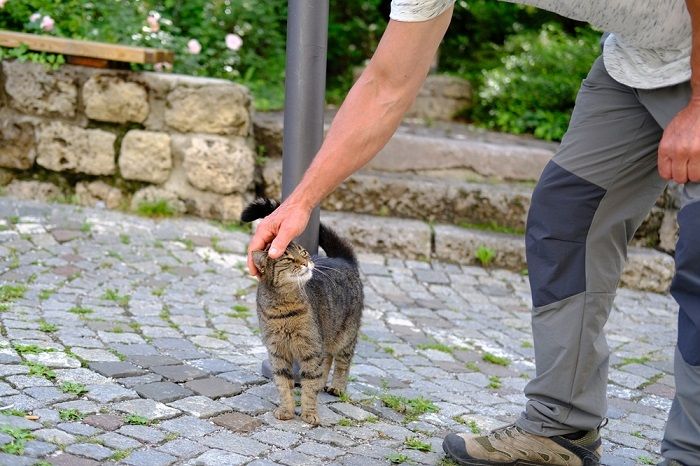
Researchers have observed that cats are more likely to approach and interact with people who are crying or appear upset, compared to those who are not. This suggests a biological predisposition to respond to certain human emotional cues.
One fascinating study even involved cats reacting differently to the sound of their owner crying versus talking normally. The cats showed more signs of stress and curiosity when they heard crying.
It’s not that they’re judging your life choices or feeling sorry for you in a human way. Instead, they’re reacting to a change in their environment – and you are a very important part of their environment.
Their reaction could be a mix of concern, curiosity, and a desire to maintain the status quo of their loving relationship with you. After all, a happy human means a happy home, and a happy home is a good place to be for a pampered feline.
A Cat's Unique Language of Love
Cats express their empathy in ways that are distinctly feline. It’s not always a grand gesture, but the subtle actions are often the most profound.
Think about the slow blink. When your cat looks at you and slowly closes and opens their eyes, it’s a sign of trust and affection. If they do this when you’re feeling down, it’s like a furry kiss blown from across the room.
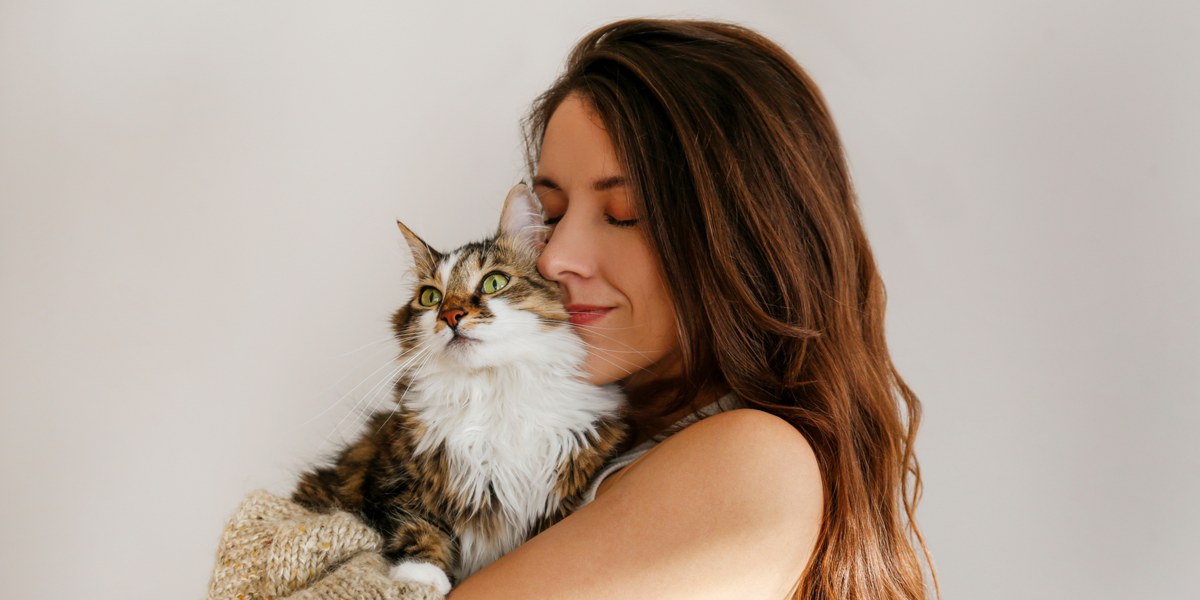
Then there’s the gentle nudge or head boop. This is often a way for cats to mark you with their scent, a sign of ownership and belonging. When they do it when you’re sad, it’s like they’re reinforcing that you’re their human, and they’re not leaving your side.
And let’s not forget the purr. That rumbling vibration is not just a sign of contentment. It’s also believed to have therapeutic properties, for both cats and humans. A purring cat on your lap can be incredibly calming and soothing.
Some cats might even try to distract you from your sadness. They’ll bring you their favorite toy, bat at your dangling fingers, or perform an impromptu acrobatic display. It's their way of saying, "Hey, look at me! Let's play! The world isn't so bad."
Why This Matters to Us
Knowing that our cats might be aware of our emotional state is incredibly comforting. It deepens the bond we share and reminds us that we’re not alone, even in our quietest moments.
It’s easy to feel isolated when we’re sad. But then, a warm furry body settles beside you, a gentle purr fills the silence, and suddenly, the weight on your chest feels a little lighter.
Your cat doesn’t need you to explain your troubles. They don’t need a detailed breakdown of what went wrong at work or in your personal life. They just need to sense that something is off, and they respond in the best way they know how.
So, the next time you’re feeling a bit blue and your cat decides to grace you with their presence, pay attention. That gentle purr, that soft head-boop, that silly toy dropped at your feet – it's all part of their unique, unconditional love.

The Cat's Eye View of Your Emotions
Cats are masters of observation. They spend a lot of time simply watching us, learning our habits and predicting our actions. It’s how they navigate their world and ensure their food bowls are consistently filled.
When your demeanor changes, they notice. A quiet, slumped posture is very different from your usual upright, active self. Your vocalizations might be softer, or filled with a tone they don't usually hear.
They are also highly attuned to your scent. Our emotions can actually cause subtle changes in our body chemistry, releasing different hormones. Cats, with their incredible sense of smell, can pick up on these nuanced signals.
It’s like having a furry little mood detector living in your house. They don’t need a thermometer; they just need to sniff the air and observe your posture.
Their response isn't necessarily sadness mirroring. It's more of a reaction to an anomaly in their predictable, comfortable world. Your distress is a deviation from the norm, and they are wired to respond to such deviations.
The Comforting Presence of a Cat
While they might not fully understand the reason for your sadness, their presence can have a profoundly positive effect on your well-being.

The simple act of petting a cat can lower your blood pressure and reduce stress hormones. Their purrs are believed to have healing frequencies, promoting relaxation and a sense of calm.
When you’re feeling down, the unconditional affection of a pet can be a powerful antidote to loneliness. They don't judge; they just offer their companionship.
So, next time your cat decides to curl up on your lap during a rough patch, know that they are likely offering their own special brand of comfort. It's a testament to the incredible bond we share with these enigmatic creatures.
More Than Just a Pet
Our cats are more than just fluffy companions who demand food and occasional head scratches. They are intelligent, perceptive beings who form deep attachments to their humans.
Their ability to sense our emotions, even if in a simplified way, is a testament to their social intelligence and their capacity for empathy. They might not be able to offer advice, but they can offer a warm body to lean on and a rumbling purr that speaks volumes.
It’s a beautiful reminder that even when we feel most alone, there’s a little creature in our homes who might just know exactly what we need – a little bit of unconditional love and a whole lot of purrs.
So, the next time you see your cat looking at you with those wide, knowing eyes while you're feeling low, give them an extra stroke. They’ve earned it. They’re not just your pet; they’re your furry, four-legged therapist, who happens to be excellent at naps.


